
Industry 10 / 11 · Remote & Off-Grid
Full-time power, far from the grid.
Towable and containerised battery storage for camps, lodges and isolated facilities: clean, quiet power around the clock without constant fuel deliveries.
- 24/7quiet battery power
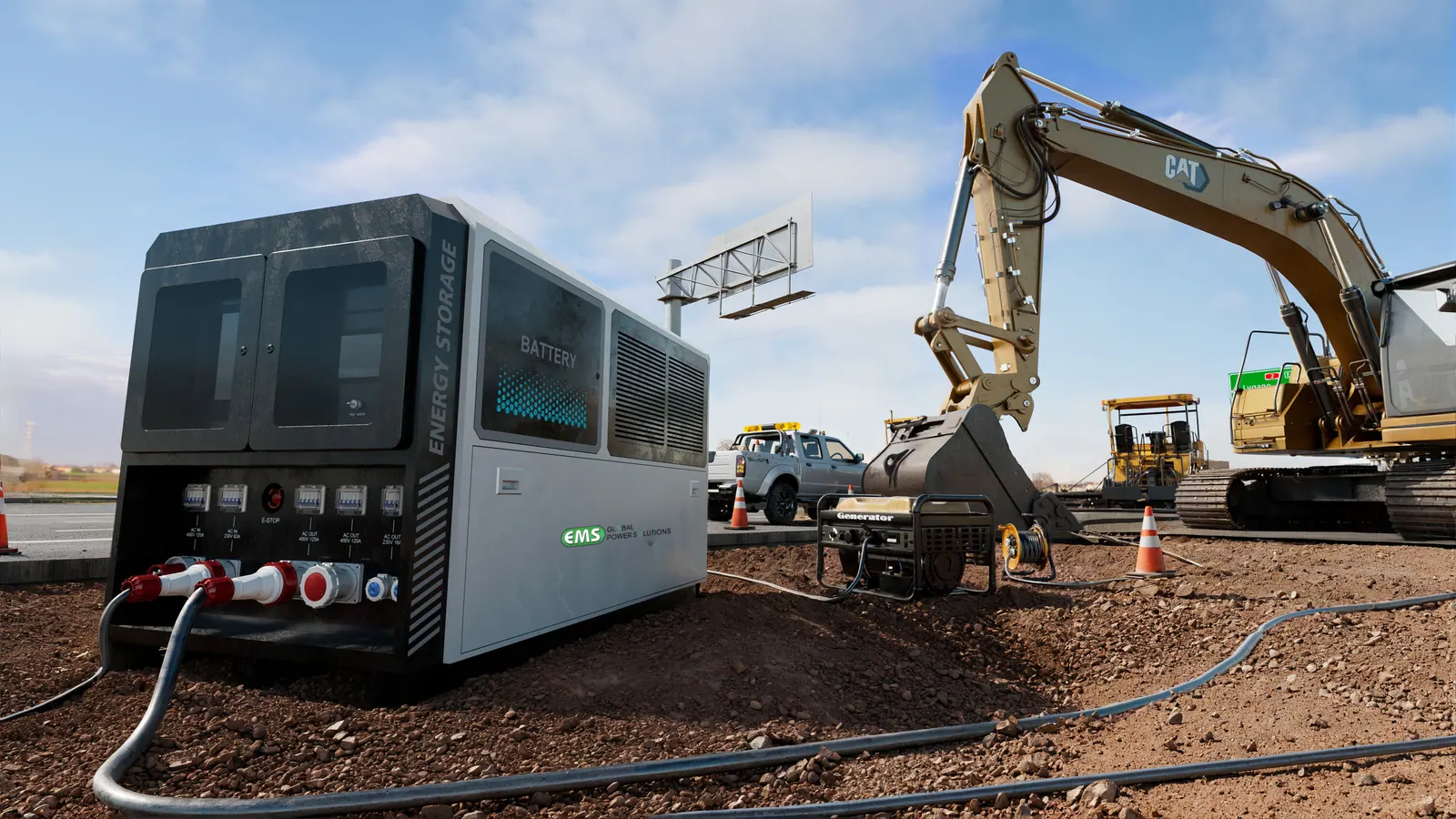
- Silentnight-time operation
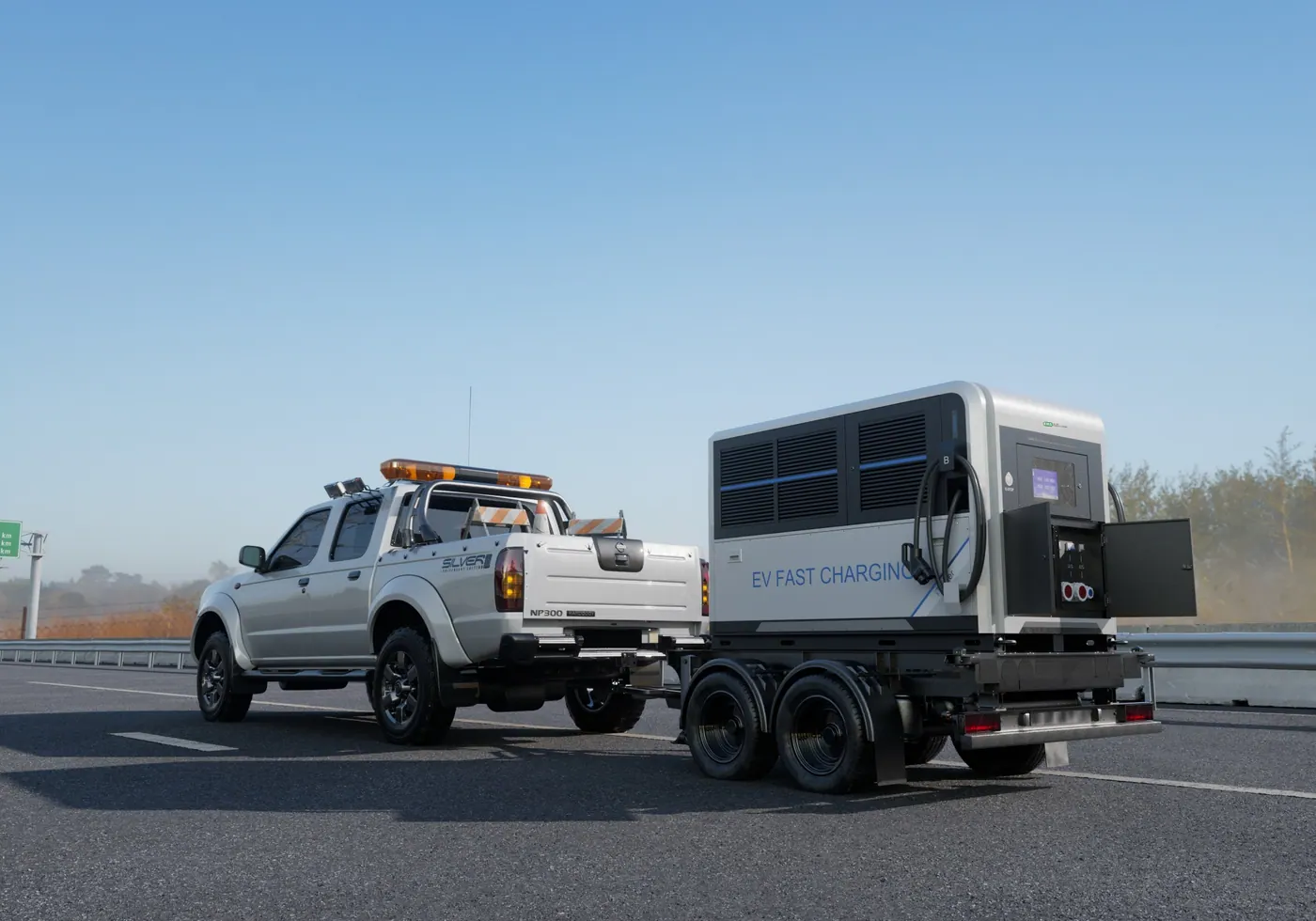
- Towableor freighted to site
Overview
Remote should not mean running a generator all night.
Expedition camps, eco-lodges and isolated facilities often depend on diesel trucked or flown in at great cost. Generators are noisy, need constant attention, and spoil the setting guests came for.
An EMS unit runs everything quietly through the night from its battery. A generator, if you keep one, runs only briefly to top the battery up, and an iTrailer can charge vehicles on the same site.
-
01Costly fuel logistics to isolated locations
Battery storage with minimal fuel needs
-
02Generators running through the night
Silent battery supply after dark
-
03Complex systems needing on-site specialists
Pre-integrated, plug-and-play units with remote support
-
04Seasonal sites that need power to move
Towable or freighted units that relocate each season
EMS Energy Intelligence
Storage that thinks ahead.
Smart energy management that learns how your remote & off-grid site uses power and plans every kilowatt ahead of the peak.
- Load forecasting
- Smart dispatch
- Predictive health
- Fleet-wide visibility
- Two cloudy days forecast. Evening loads trimmed; generator on standby.
- Battery at 88% at sunset. Full overnight cover without generator.
Applications
Where EMS works in remote & off-grid.
Towable and containerised lithium battery storage that delivers clean, quiet power in remote locations without constant fuel deliveries, and charges vehicles on site.
-
01
Expedition & research camps
Reliable power for living, comms and equipment.
-
02
Eco-resorts & lodges
Quiet, clean power that protects the guest experience.
-
03
Remote infrastructure
Pumping stations, comms relays and monitoring sites.
-
04
Disaster relief
Rapid deployment of power for emergency response.
Recommended systems
Built for remote & off-grid.
The EMS systems our engineers most often specify for this sector. Typical configuration: Hybrid Container 100 kWh – 1 MWh.
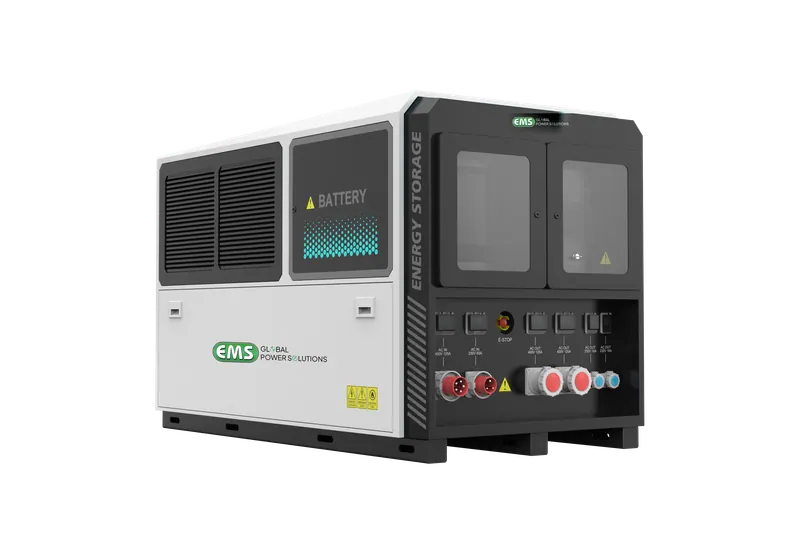
iMBase
Mobile battery energy storage
Capacity
200 kWh
Output
200 kW
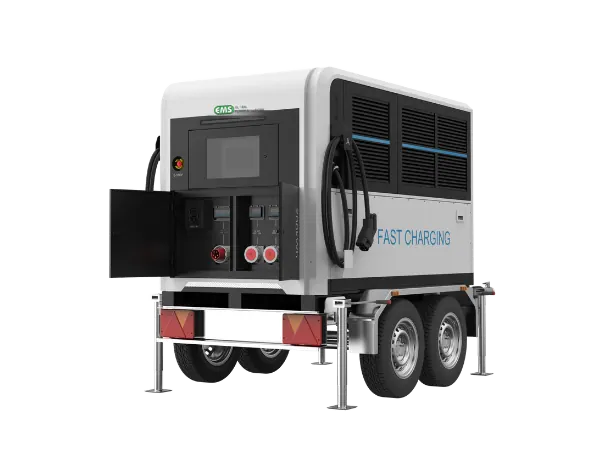
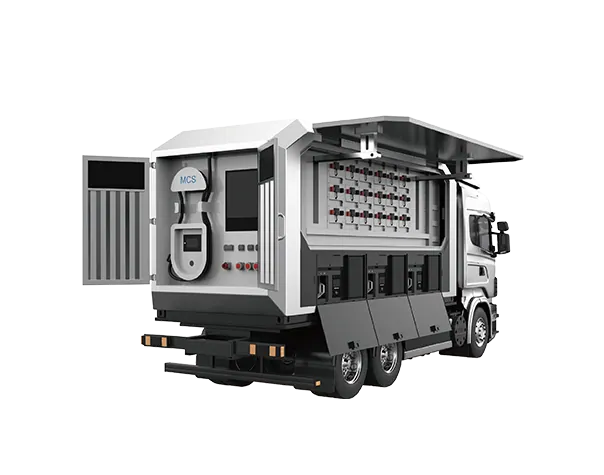
iTrailer
Mobile energy storage charging station
Capacity
100 / 200 / 400 kWh
DC charging
120 / 180 / 360 kW
iMContainer
Containerised storage charging station
Capacity
2 MWh
DC charging
200 kW per gun
Size your system
A first estimate, in seconds.
Move the sliders to match your site. We’ll suggest a starting storage size and system, using typical figures for remote & off-grid. An engineer then refines it with your real load data.
- Free, no-obligation load assessment
- Sizing modelled on your real demand profile
- Proposal with options and expected savings
Deployment
From first call to first power.
A clear, managed path with one UK team accountable from assessment to long-term support.
-
1
Week 1
Site & load assessment
We review your site, load profile and energy sources, remotely or on site.
-
2
Week 2–3
System design & sizing
Engineers model the load, size storage and choose the right EMS systems.
-
3
From 4 weeks
Delivery & commissioning
Units arrive pre-integrated, connected and commissioned by our team.
-
4
Ongoing
Monitor & optimise
Live monitoring, smart dispatch and 24/7 UK engineering support.
FAQ
Questions from remote & off-grid teams.
Can’t see your question? Our engineers answer within one working day.
How much storage do we need?
It depends on your daily energy use and how long you want to run without a generator. We model your site’s load to size the battery so the generator rarely runs.
What happens if the battery runs low?
The system starts a backup generator automatically to recharge the battery, then shuts it down once it is full.
How do units get to very remote sites?
iTrailer can be towed, and containerised units ship as standard freight. They arrive pre-integrated and ready to connect.
Can it charge vehicles at a remote site?
Yes. iTrailer gives up to 180 kW of DC charging for EVs and runs site equipment from its 100 kW industrial sockets.
Keep exploring
Other industries.
- 01 ConstructionSite cabins, tower cranes & heavy machinery
- 02 MiningOpen-pit & underground operations, camps & plant
- 03 Fleet & TransportationCommercial fleets, transit bus depots & logistics
- 04 Airports & PortsApron GSE, quayside cranes & electric vessels
- 05 Commercial & IndustrialManufacturing, warehousing & logistics hubs
- 06 Fuel ForecourtsMotorway services, retail fuel stations & EV hubs
- 07 Data CentresHyperscale, colocation & edge facilities
- 08 TelecomsCell towers, tower companies & fibre exchanges
- 09 HealthcareHospitals, surgical clinics & emergency care
- 11 UtilityNetwork operators, IPPs & grid services
Start with the challenge
Tell us what the site
needs to do.
Share the location, the load and what is getting in the way. Our team will help you work out which system, and how many, the job needs.