
Containerised utility-scale storage
iContainer
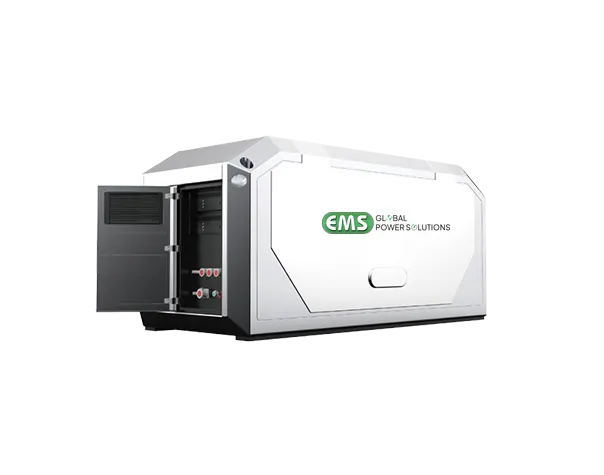
Grid-scale storage in a 20 or 40 ft container, built to the size your project needs.
- Maximum per container
- 6MWh
- Conversion power
- 3MW
- Container sizes
- 20–40ft
Overview
Storage sized to the project.
Batteries, power conversion, monitoring and fire protection are integrated at the factory. Use it for peak shaving, frequency regulation or steadying wind and solar output, and add containers as you grow.
All in one
- Modular build, plug and play on site
- Several containers run in parallel
- Easy to install and commission
Safe and reliable
- Grade A LFP cells
- Fast fault location and isolation
- Managed over its whole working life
Many uses
- Peak shaving and valley filling
- Frequency regulation and grid support
- Smoothing output from wind and solar
Where it is used
- Utilities and grid operators
- Solar and wind farms
- Large industrial sites
Specification
Main parameters
Figures for a fully equipped 6 MWh unit. Each project is sized to order.
| Storage | |
|---|---|
| Container size | 20 to 40 ft |
| Capacity | Up to 6 MWh |
| DC voltage range | 500–1500 V DC |
| Charge and discharge rate | 0.5C (1 MW PCS built in) or 1C (2 MW PCS external) |
| Cells | LFP, 3.2 V 280 Ah |
| Modules | LFP, 153.6 V 280 Ah, 43 kWh |
| Cycle life | Over 5,000 cycles at 0.5C |
| Round-trip efficiency | 94% at 0.5C, 91% at 1C (DC side) |
| AC power | |
| Conversion power (PCS) | 3 MW |
| Other | |
| BMS | Active balancing, three-level architecture |
| Interfaces | Ethernet / RS485 / CAN |
| Communication | Modbus-TCP / IEC 61850 / IEC 104 |
| Cooling | Liquid cooling |
| Fire protection | Gas, smoke and heat detection, Novec 1230 or FK-5-1-12 suppression, exhaust fan |
| Insulation resistance | Over 10 MΩ |
| Auxiliary supply | 380 V AC, 50 Hz |
| Altitude | Up to 2,000 m |
| Operating temperature | −40 to 55 °C |
| Humidity | 0–95% RH, non-condensing |
| Protection | IP54 or better |
| Corrosion protection | C4 (C5 optional) |
| Size and weight | |
| Dimensions (L × W × H) | 5800 × 2300 × 2400 mm |
| Weight | 25 t |
The range
Other systems to consider
-
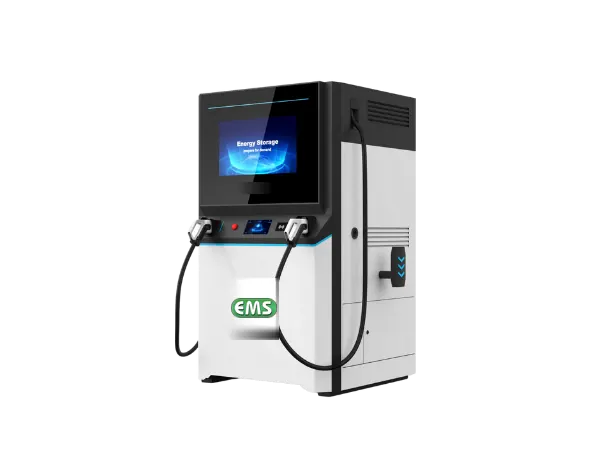
Integrated storage and charging cabinetiCabinet
- Battery:
- 110 kWh
- DC charging:
- 180 kW or 2 × 90 kW
-
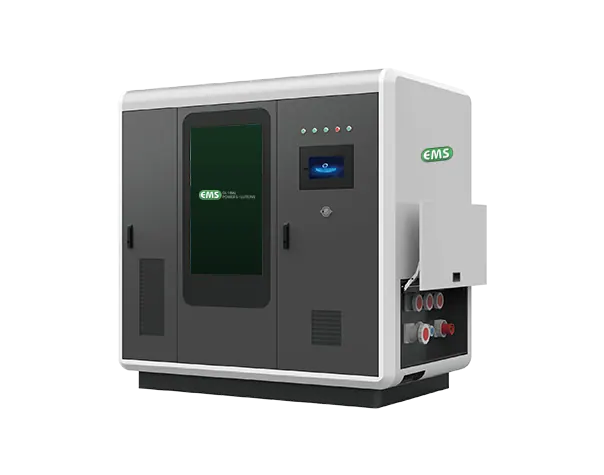
Commercial and industrial energy storageiFreezer
- Capacity:
- 218 kWh
- Built in:
- PCS and BMS
-
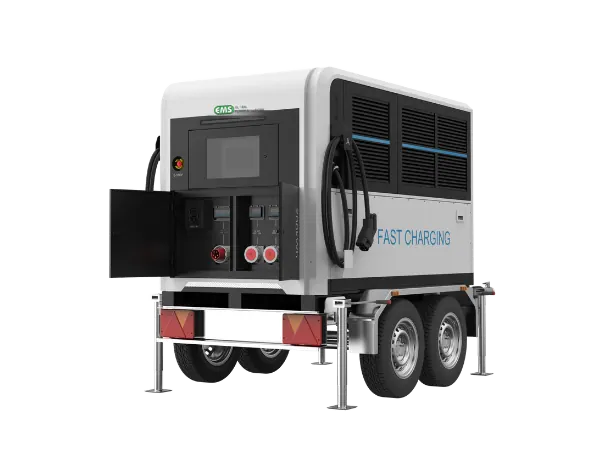
Mobile energy storage charging stationiTrailer
- Capacity:
- 100 / 200 / 400 kWh
- DC charging:
- 120 / 180 / 360 kW
Start with the challenge
Tell us what the site
needs to do.
Share the location, the load and what is getting in the way. Our team will help you work out which system, and how many, the job needs.