Fixed charging and grid connections are slow and costly to build. Mobile energy storage is a cleaner, faster and more cost-effective answer, ready to use wherever the work happens.
Reliable fast charging is still hard to find for electric vehicles working in temporary, off-grid or mobile settings. Fixed stations need lengthy approvals, site preparation and heavy investment.
A mobile energy storage charging solution bypasses those limits. Flexible deployment, rapid set-up and dual high-power outputs put energy straight into the vehicle in the field, and the unit is then reused on the next project.
Instant power delivery for on-the-go and emergency scenarios.
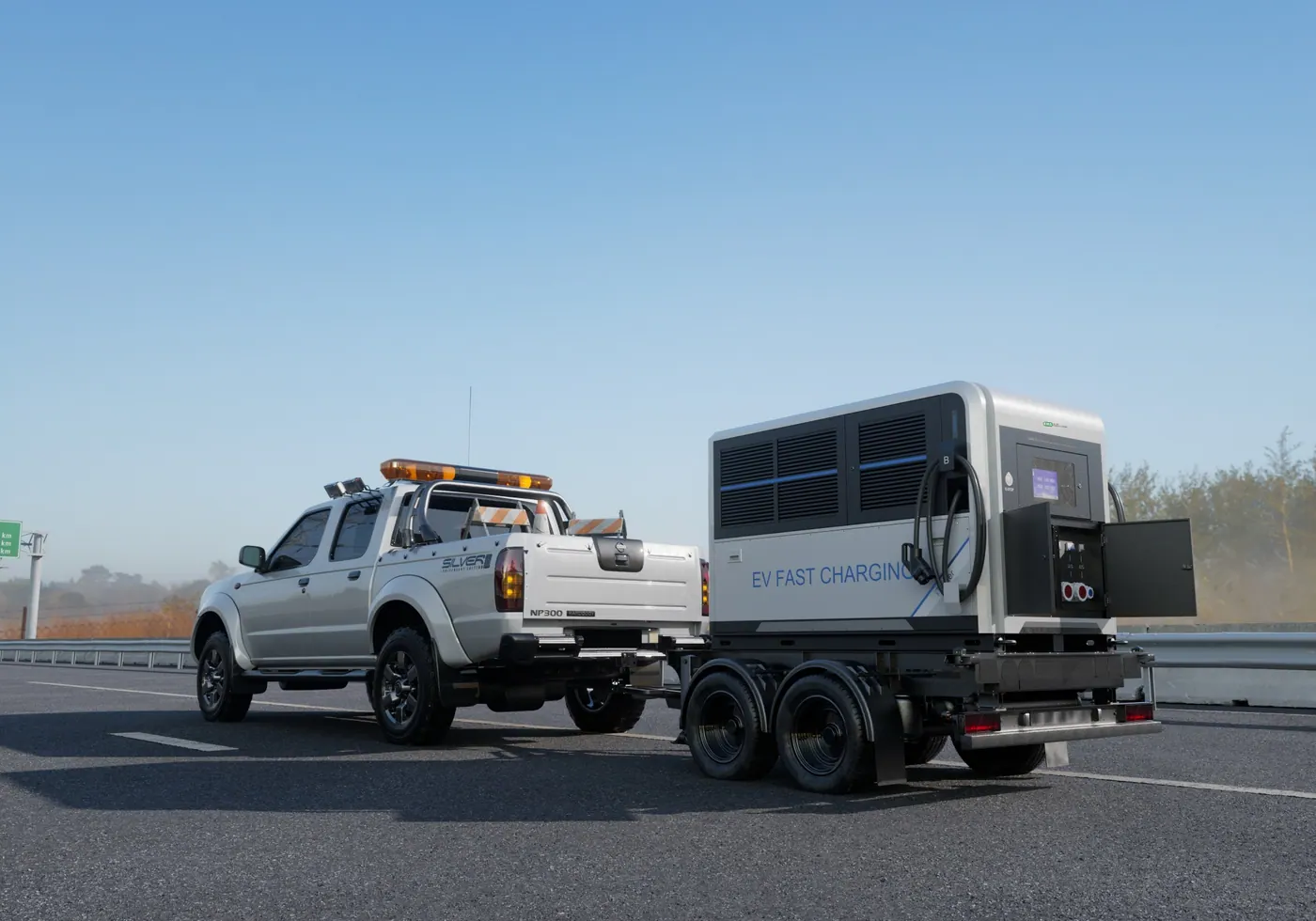
Rapid mobile charging for emergency EV assistance. The charger travels to the stranded vehicle, so help arrives with the power already on board.
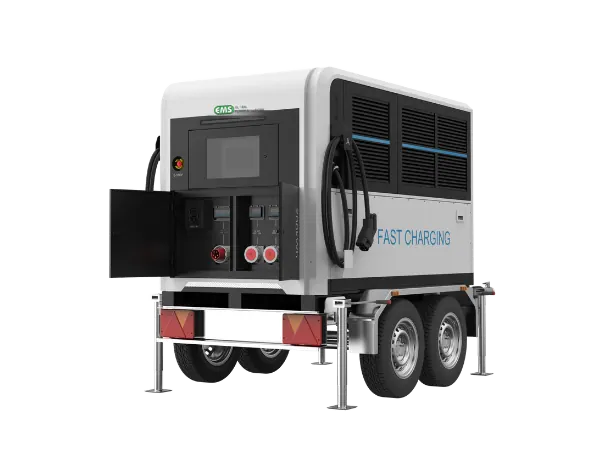
The iTrailer’s detachable mobile tractor base means quick, easy deployment on the roadside or in disaster-stricken areas, without permits or lengthy construction.
Rapid mobile charging solution for emergency EV assistance.
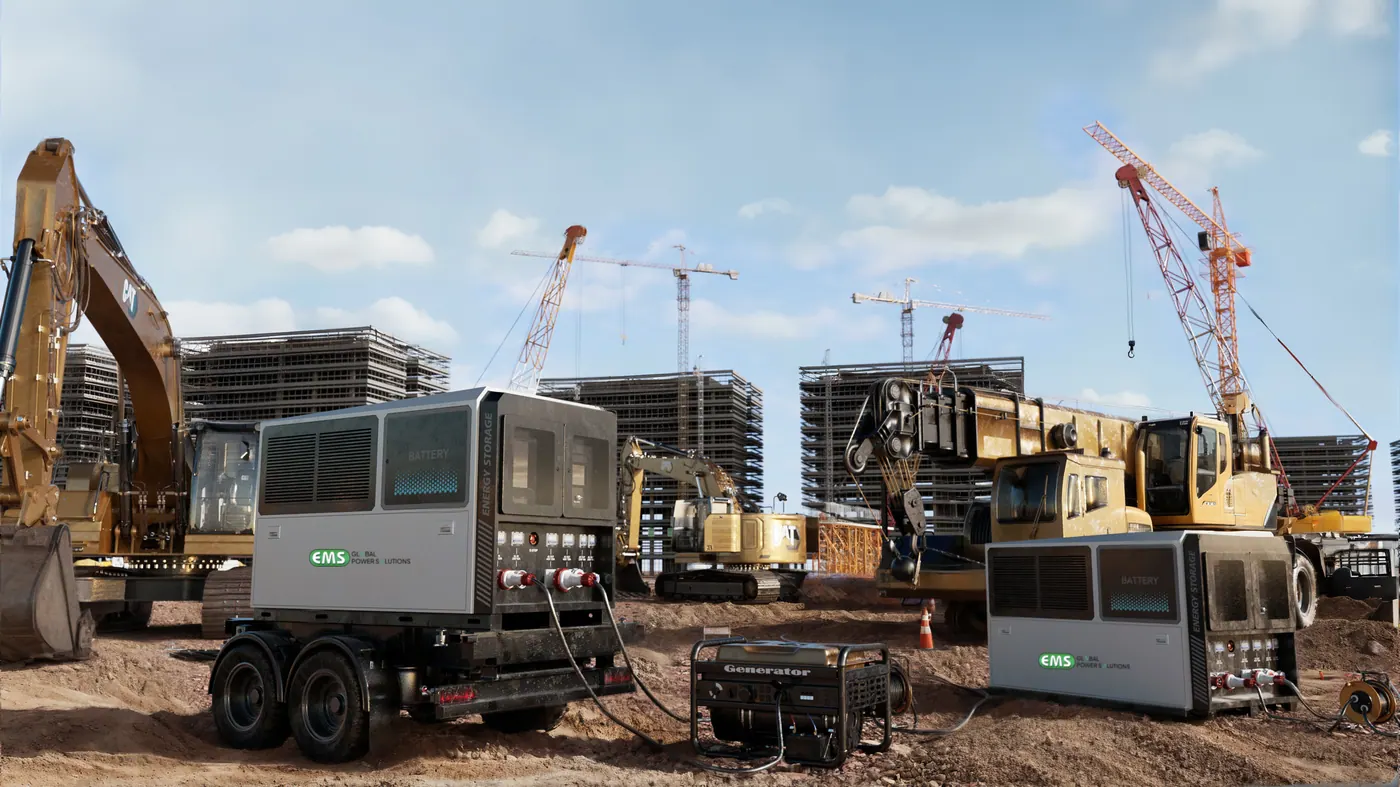
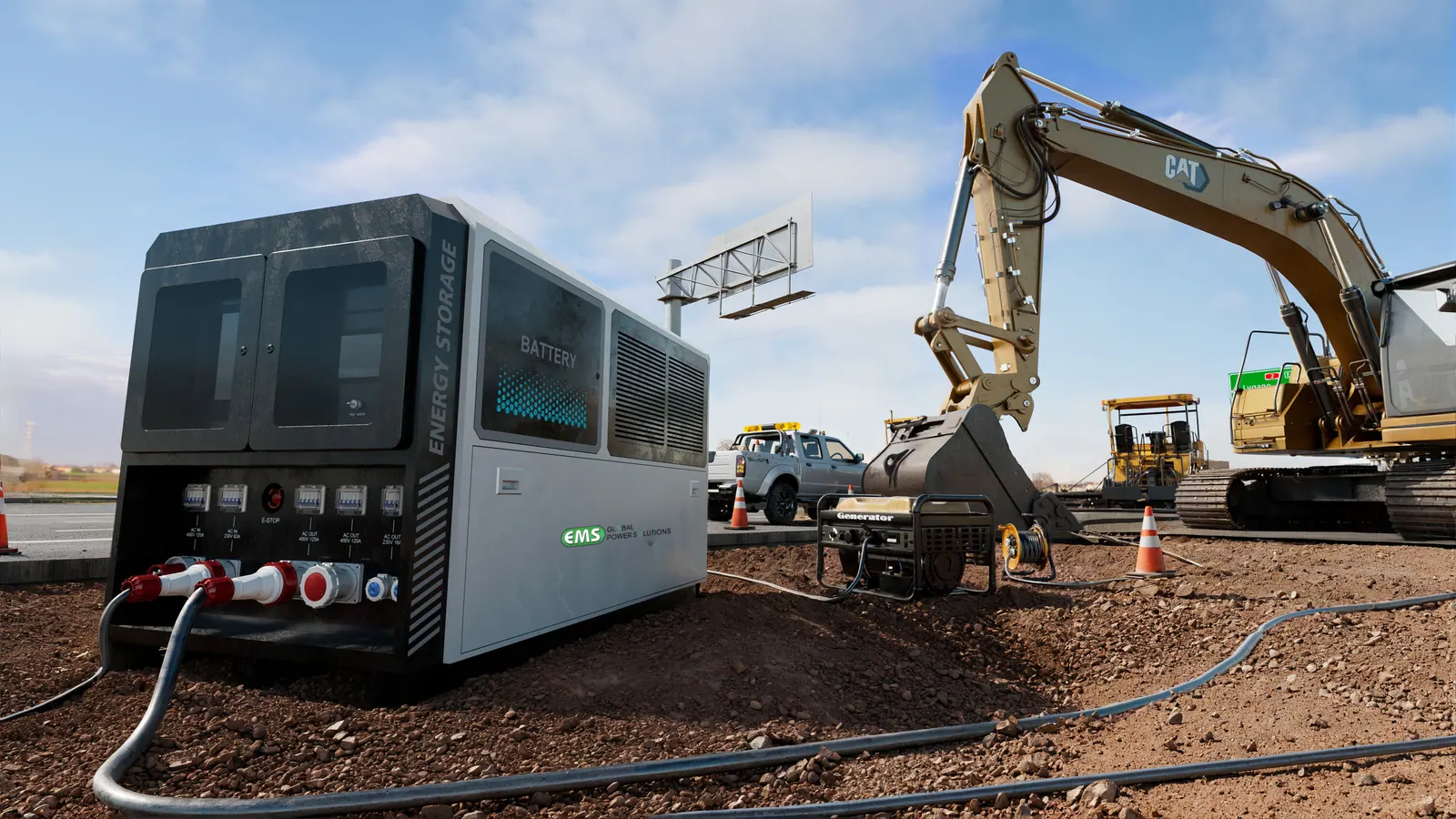
Construction and mining sites are often remote or undeveloped, where grid access is limited and fixed power infrastructure is slow and costly to deploy. Diesel generators remain common, but fuel logistics and running costs are ongoing challenges.
A mobile energy storage system is a cleaner, faster and more cost-effective answer. Plug-and-play deployment, high-power fast charging and reuse across sites keep machinery, vehicles and temporary facilities supplied, anywhere, anytime.
Key points
Plug-and-play deployment
Reusable from site to site
Powers machinery, vehicles and temporary facilities
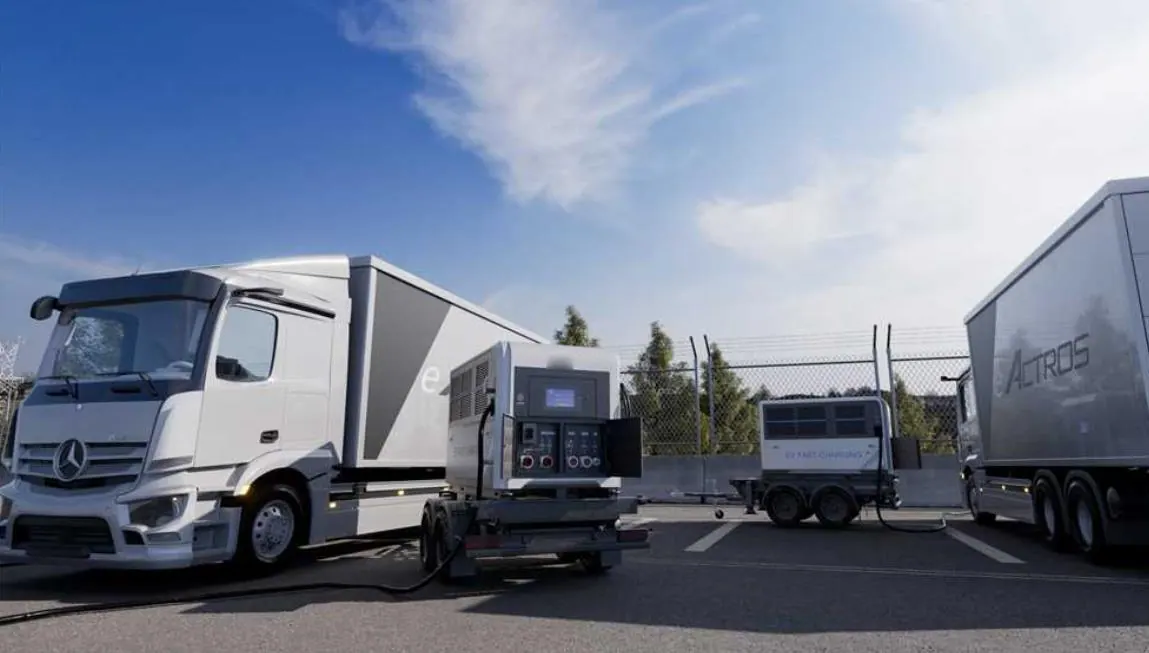
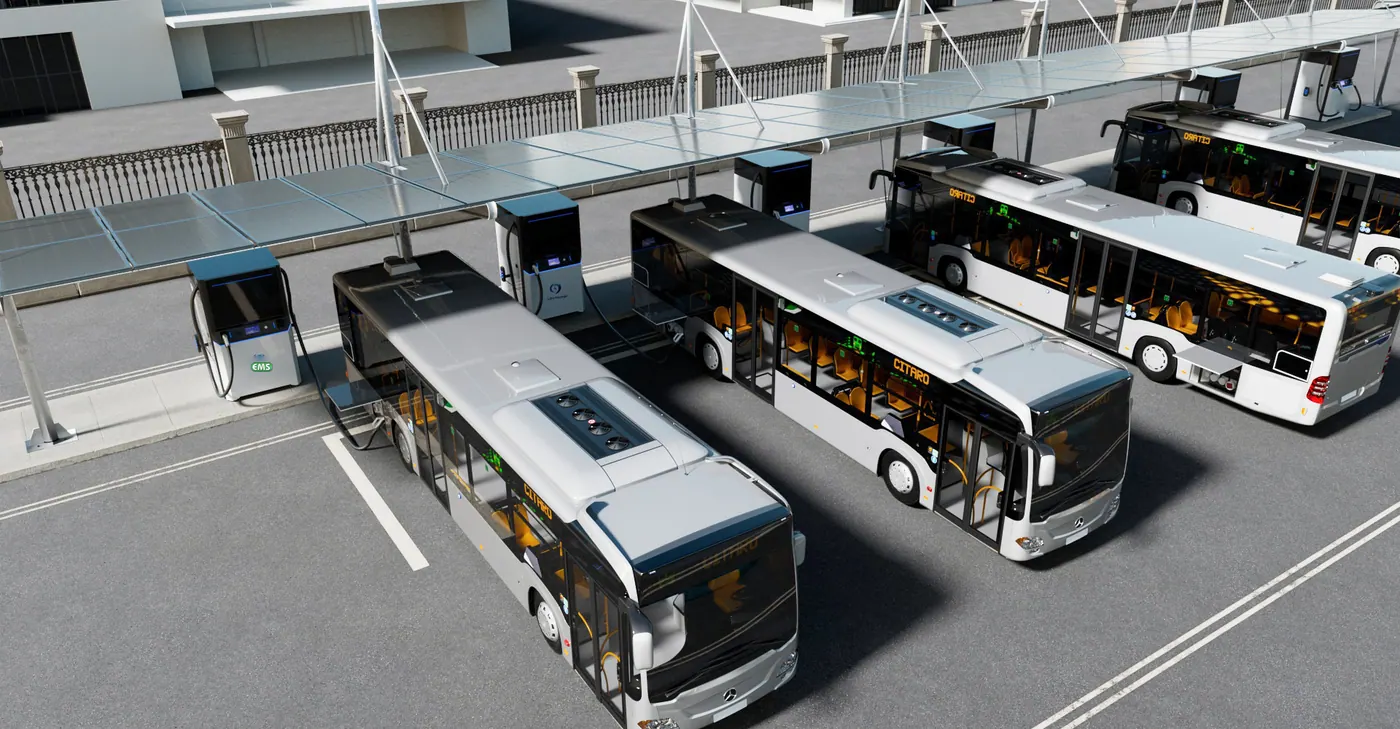
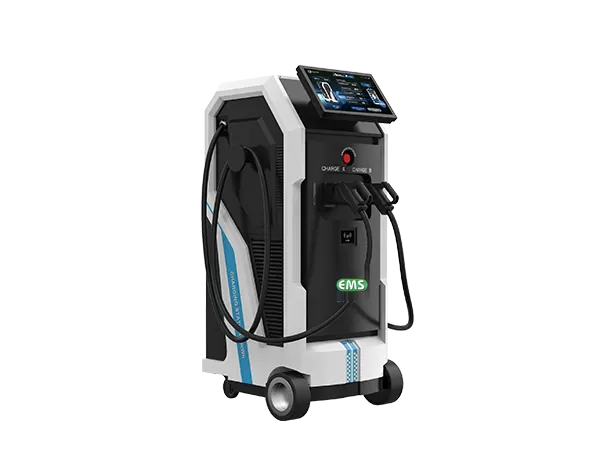
Flexible charging services for urban fleets without fixed infrastructure. Charging comes to where the vehicles are parked, instead of a fixed post for every bay.
For public transport, high-density, plug-and-play storage adapts to diverse scenarios and keeps buses and shared vehicles supplied wherever it is needed.
Reliable energy support for public transportation systems.
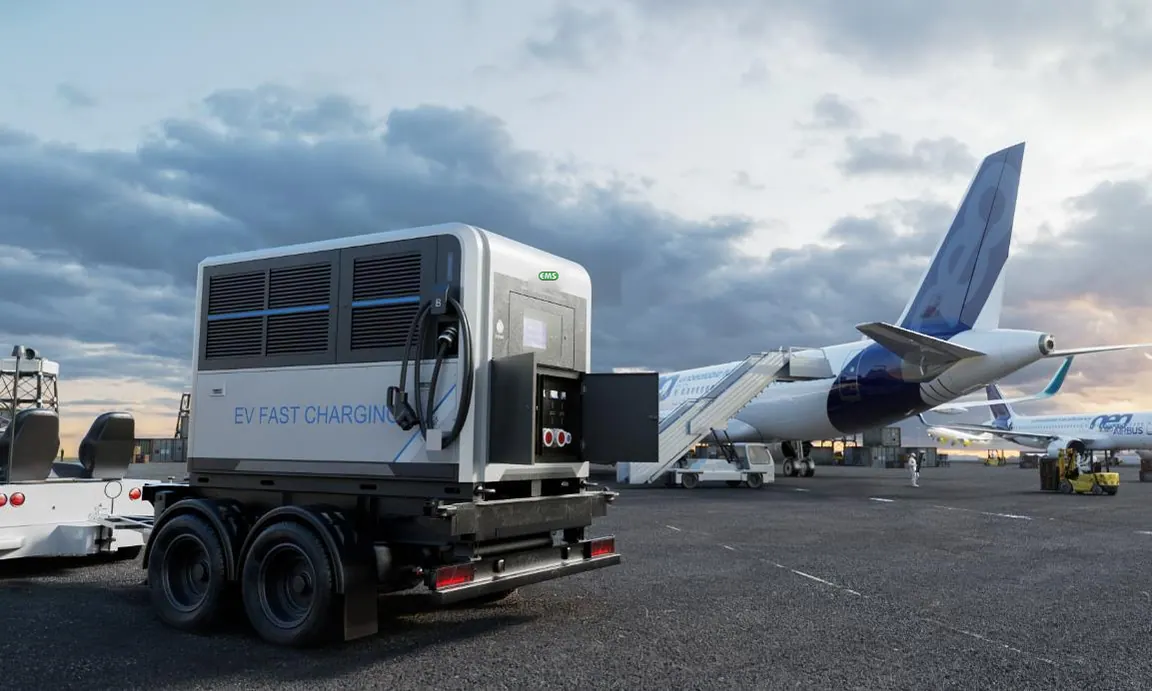
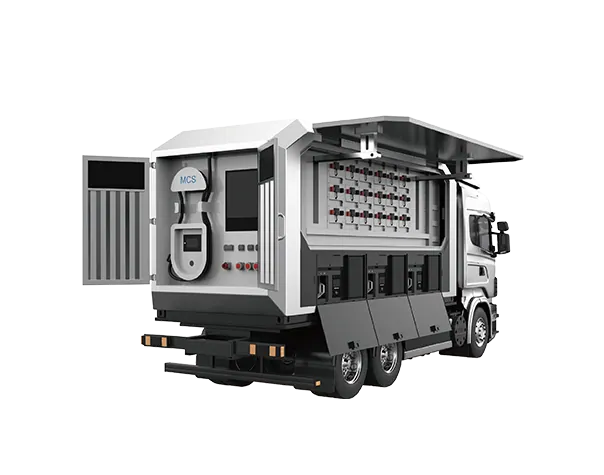
Airfields, docks and yards are busy, spread-out sites. Trailer and container systems bring the charge to engineering vehicles, heavy trucks and electric ships, instead of building a fixed charger for each.
Where an apron, quay or yard changes through the day, a unit that moves by tow or by truck keeps pace with it.
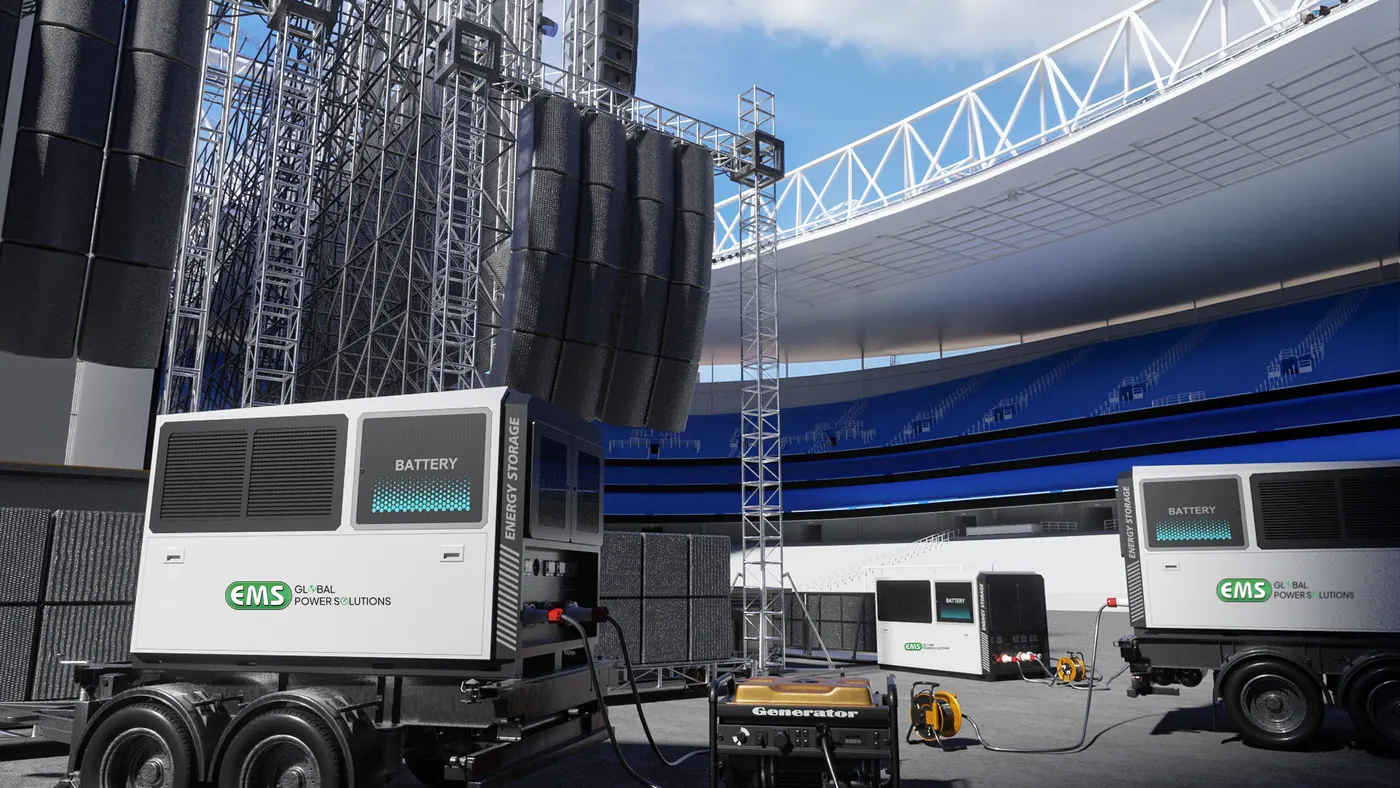
Emergency and backup power for events and disaster relief, from units that can also charge EVs on the same site.
The battery that backs up the stage can charge the vehicles parked beside it.
Key points
Emergency power for disaster relief
Backup power for events and venues
Charges EVs from the same unit
And at fixed sites
Storage that earns its place on the grid, too.
The same battery and charging technology also works permanently, alongside solar panels or inside a building.
Solar + storage charging
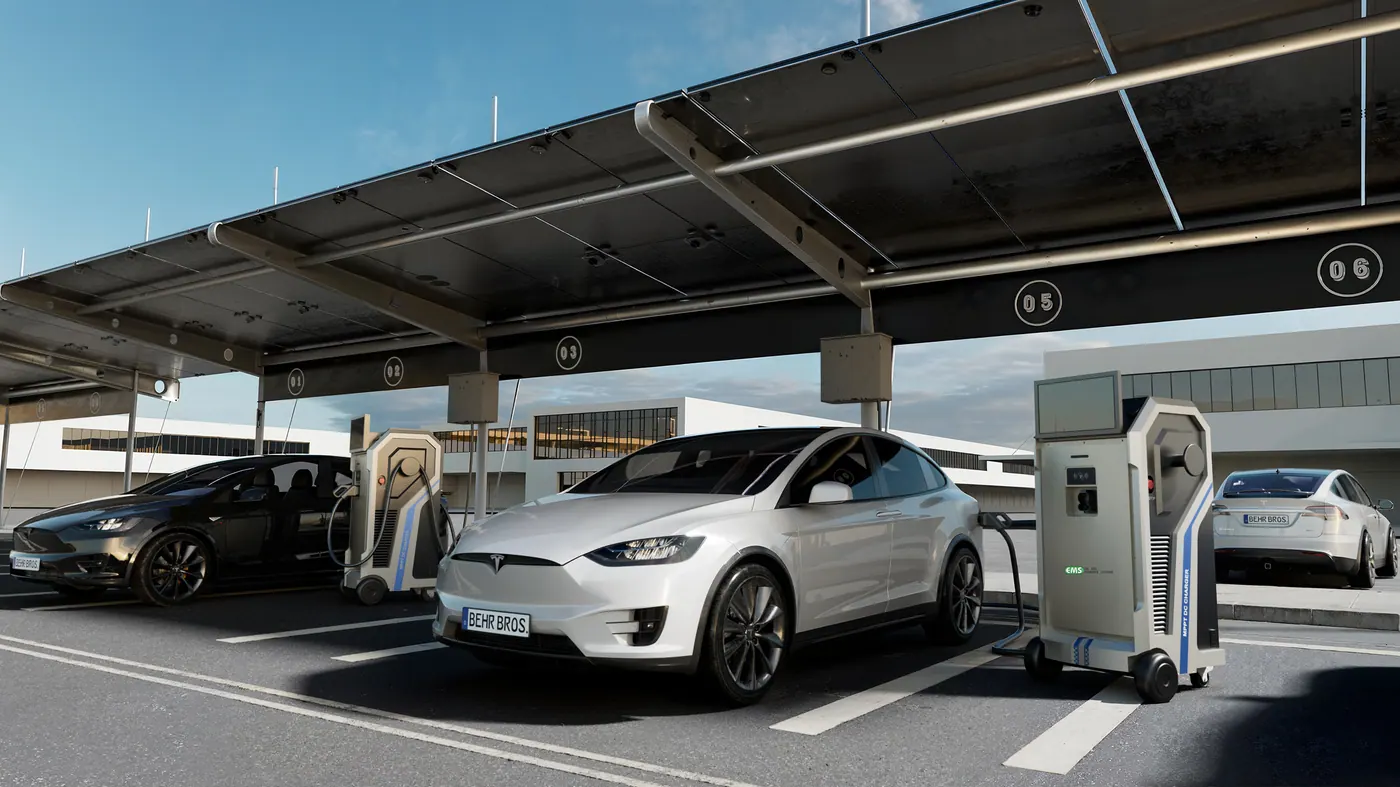
Turn sunlight into EV charging.
Turn solar panels into EV charging with iMChargerS, which takes up to four 30kW MPPT modules for 120kW of DC output. Or recharge an iCabinet from PV, and a solar storage charging station can be up and running quickly, at far lower site construction cost.
Peak shaving, valley filling and backup supply for sites where grid continuity matters. iFreezer holds 218kWh with the PCS and BMS built in, reports its power data in real time, and takes up little floor space, so it is easy to install and to add to later.