
Industry 05 / 11 · Commercial & Industrial
Cut peak demand. Keep the line running.
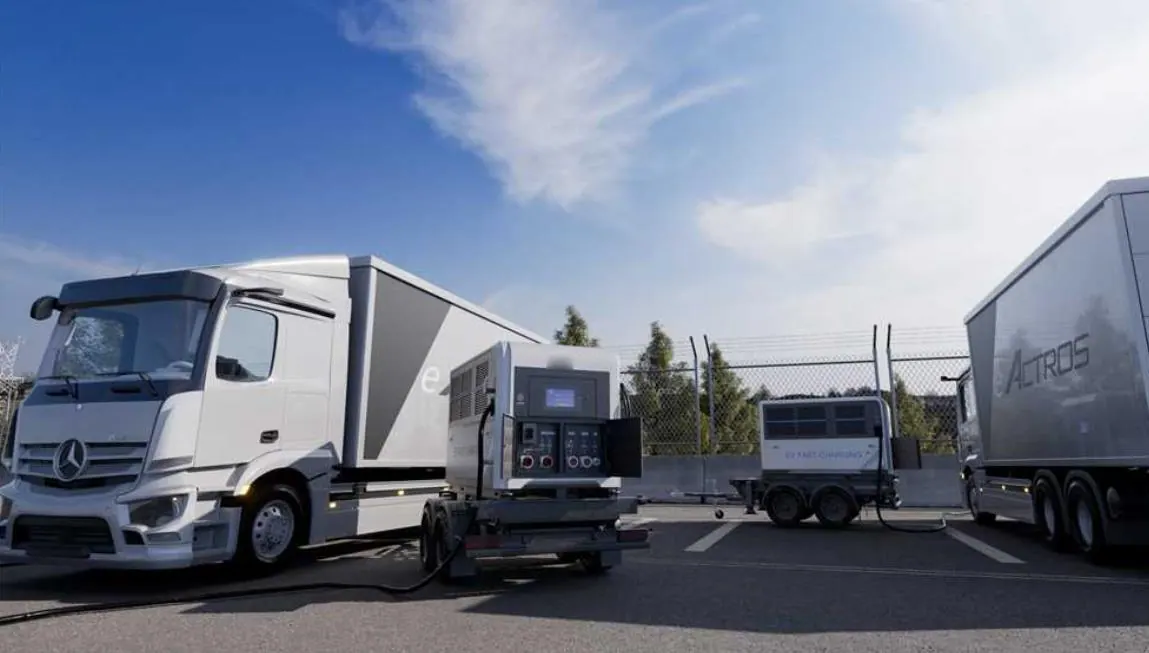
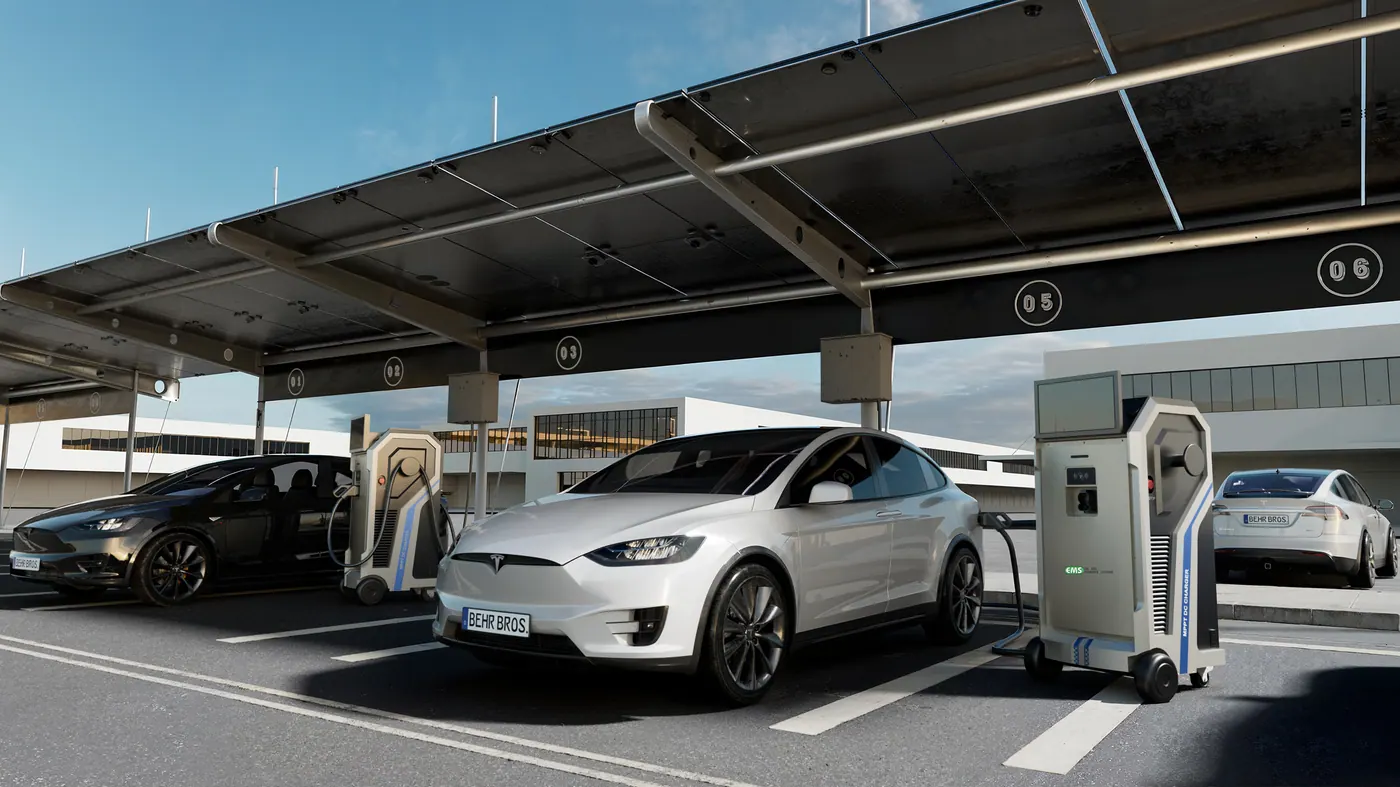
Battery storage and EV charging that trims demand charges, keeps production running through outages and adds chargers without a supply upgrade, typically paying back in under three years.
- < 3 yearstypical project payback
- < 20 msswitchover to backup power
- Up to 2.5 MWhper site, modular
Overview
Your energy bill is set by a few expensive hours.
Demand charges, peak tariffs and capacity fees are driven by short spikes when machines start together or shifts overlap. Adding EV chargers for staff and fleets can push demand higher still.
EMS storage watches the site load and discharges exactly when a spike would set a new peak. It also stands by to carry critical lines through grid faults and can power EV chargers from the same unit.
-
01Demand charges set by short start-up spikes
Battery shaves peaks automatically before they hit the meter
-
02Grid supply too small for new EV chargers
Battery buffers charging so chargers run within your existing connection
-
03Grid dips stopping sensitive production
Seamless backup keeps critical lines and IT running
-
04No room on the connection for EV chargers
Storage buffers new EV and process loads within existing capacity
EMS Energy Intelligence
Storage that thinks ahead.
Smart energy management that learns how your commercial & industrial site uses power and plans every kilowatt ahead of the peak.
- Load forecasting
- Smart dispatch
- Predictive health
- Fleet-wide visibility
- Line 3 start-up at 08:00 forecast to set a 412 kW peak. Battery will shave 96 kW.
- Staff EV chargers peak 08:00–09:30. Battery covers 96 kW so the site stays under its limit.
Applications
Where EMS works in commercial & industrial.
Engineered for industrial facilities looking to slash peak demand charges, add EV charging for staff and fleets without a supply upgrade, and protect sensitive production lines against grid outages.
-
01
Manufacturing
Protect production lines and cap demand from heavy machinery.
-
02
Warehousing & logistics
Keep cold stores, forklift chargers and dock doors running through peaks and outages.
-
03
Industrial outlets
Run tools and equipment from the unit’s industrial outlets.
-
04
Workplace EV charging
Add staff and fleet chargers without a supply upgrade.
Recommended systems
Built for commercial & industrial.
The EMS systems our engineers most often specify for this sector. Typical configuration: 250 kWh – 2.5 MWh.
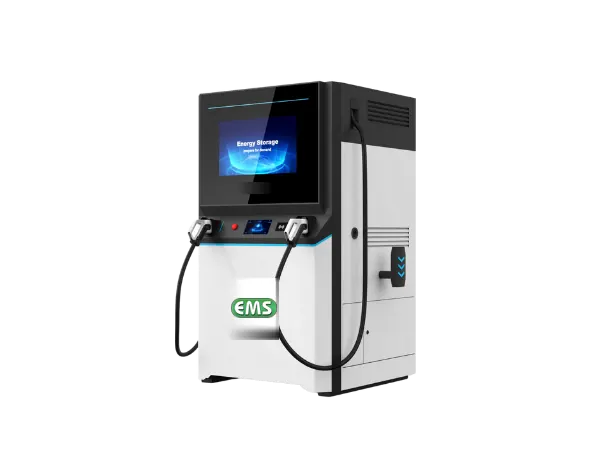
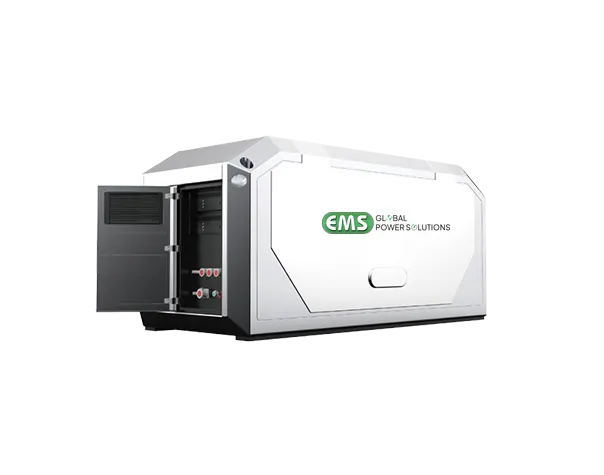
iCabinet
Integrated storage and charging cabinet
Battery
110 kWh
DC charging
180 kW or 2 × 90 kW
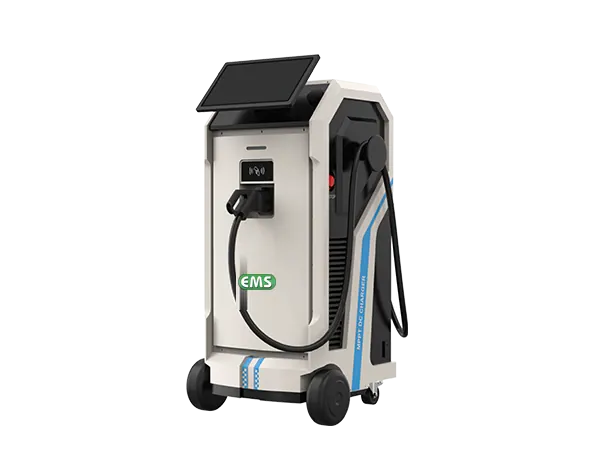
iMChargerS
Solar DC fast charger
Power source
Direct solar
Solar input
4 MPPT modules
iContainer
Containerised utility-scale storage
Size
Built to order
Cells
LFP
Size your system
A first estimate, in seconds.
Move the sliders to match your site. We’ll suggest a starting storage size and system, using typical figures for commercial & industrial. An engineer then refines it with your real load data.
- Free, no-obligation load assessment
- Sizing modelled on your real demand profile
- Proposal with options and expected savings
Deployment
From first call to first power.
A clear, managed path with one UK team accountable from assessment to long-term support.
-
1
Week 1
Site & load assessment
We review your site, load profile and energy sources, remotely or on site.
-
2
Week 2–3
System design & sizing
Engineers model the load, size storage and choose the right EMS systems.
-
3
From 4 weeks
Delivery & commissioning
Units arrive pre-integrated, connected and commissioned by our team.
-
4
Ongoing
Monitor & optimise
Live monitoring, smart dispatch and 24/7 UK engineering support.
FAQ
Questions from commercial & industrial teams.
Can’t see your question? Our engineers answer within one working day.
How does peak shaving save money?
Many tariffs charge for your highest demand in a period. The battery discharges during spikes so the meter never sees them, lowering demand and capacity charges every month.
Can it provide backup during a power cut?
Yes. Systems can be configured to island critical circuits and switch over fast enough to keep sensitive equipment running.
Can it charge EVs on site?
Yes. iCabinet combines 110 kWh of storage with a DC charger (180 kW, or 2 × 90 kW), so you can add staff and fleet charging within your existing supply.
Do we need permission to connect?
Grid-connected storage in the UK typically needs a G99 or G100 application to the network operator. We prepare and manage that process with you.
Keep exploring
Other industries.
- 01 ConstructionSite cabins, tower cranes & heavy machinery
- 02 MiningOpen-pit & underground operations, camps & plant
- 03 Fleet & TransportationCommercial fleets, transit bus depots & logistics
- 04 Airports & PortsApron GSE, quayside cranes & electric vessels
- 06 Fuel ForecourtsMotorway services, retail fuel stations & EV hubs
- 07 Data CentresHyperscale, colocation & edge facilities
- 08 TelecomsCell towers, tower companies & fibre exchanges
- 09 HealthcareHospitals, surgical clinics & emergency care
- 10 Remote & Off-GridExpedition camps, eco-resorts & isolated facilities
- 11 UtilityNetwork operators, IPPs & grid services
Start with the challenge
Tell us what the site
needs to do.
Share the location, the load and what is getting in the way. Our team will help you work out which system, and how many, the job needs.