
Industry 07 / 11 · Data Centres
Uptime first. Cleaner compute next.
Mission-critical battery storage that bridges outages instantly, reduces reliance on diesel standby and earns revenue from grid services while it waits.
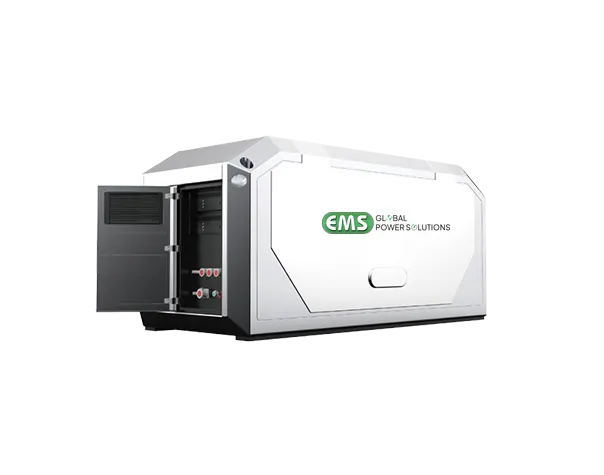
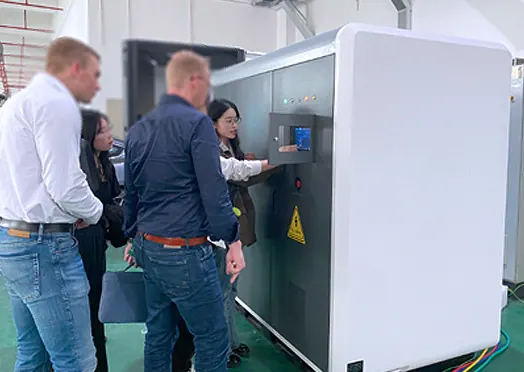
- Millisecondresponse to grid events
- Less dieselstandby testing and runtime
- Revenuefrom frequency and capacity services
Overview
Standby power that earns its keep.
Data centres keep generators and UPS on standby for the rare outage, burning diesel in testing and sitting idle the rest of the time. Grid capacity for new halls is increasingly hard to secure.
EMS storage bridges outages instantly, lets generators start without stress, and during normal operation supports the grid, earning frequency response and capacity revenue that offsets its cost.
-
01Diesel standby burning fuel in routine testing
Battery carries bridging and testing, cutting generator hours
-
02Grid capacity limiting new halls
Storage firms the connection and shaves peak IT load
-
03Standby assets earning nothing
Frequency response and capacity market revenue between events
-
04Sustainability targets for Scope 2 emissions
Shift load to low-carbon hours and cut generator runtime
EMS Energy Intelligence
Storage that thinks ahead.
Smart energy management that learns how your data centres site uses power and plans every kilowatt ahead of the peak.
- Load forecasting
- Smart dispatch
- Predictive health
- Fleet-wide visibility
- Grid frequency event at 14:02:11. 1.2 MW delivered in 140 ms.
- Cooling load peak 11:00–15:00. Battery holding import below contract limit.
Applications
Where EMS works in data centres.
Mission-critical battery energy storage meeting strict Tier uptime standards, providing immediate bridging power, grid frequency balancing, and diesel reduction for clean compute.
-
01
Hyperscale & colocation
Large-scale bridging power and grid-firming storage.
-
02
Edge data centres
Compact cabinets for edge sites with weak grid supply.
-
03
Generator support
Smooth start-up and reduced runtime for standby gensets.
-
04
Grid services
Earn revenue from frequency and capacity markets.
Recommended systems
Built for data centres.
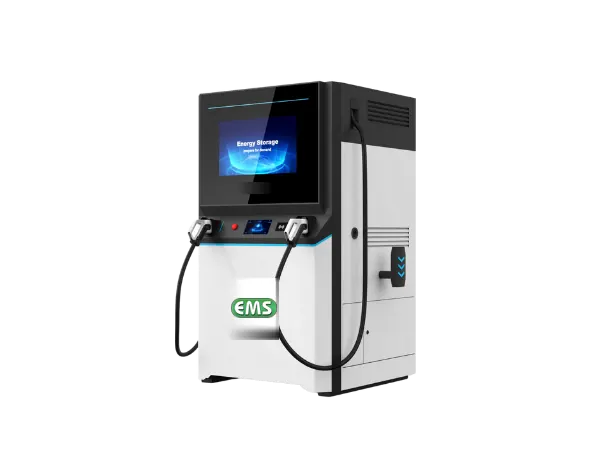
The EMS systems our engineers most often specify for this sector. Typical configuration: Utility BESS · Twin-Bay.
Size your system
A first estimate, in seconds.
Move the sliders to match your site. We’ll suggest a starting storage size and system, using typical figures for data centres. An engineer then refines it with your real load data.
- Free, no-obligation load assessment
- Sizing modelled on your real demand profile
- Proposal with options and expected savings
Deployment
From first call to first power.
A clear, managed path with one UK team accountable from assessment to long-term support.
-
1
Week 1
Site & load assessment
We review your site, load profile and energy sources, remotely or on site.
-
2
Week 2–3
System design & sizing
Engineers model the load, size storage and choose the right EMS systems.
-
3
From 4 weeks
Delivery & commissioning
Units arrive pre-integrated, connected and commissioned by our team.
-
4
Ongoing
Monitor & optimise
Live monitoring, smart dispatch and 24/7 UK engineering support.
FAQ
Questions from data centres teams.
Can’t see your question? Our engineers answer within one working day.
Can storage replace our UPS?
Storage complements rather than replaces UPS in most designs. It extends bridging time, reduces generator stress and adds grid services; we design around your existing resilience architecture.
How do grid services work?
When the site is running normally, a portion of battery capacity responds to grid frequency signals or capacity events, earning revenue. A protected reserve is always held for site resilience.
How is fire safety handled?
Containerised systems include integrated detection and suppression, LFP chemistry and cell-level monitoring. We provide test documentation for your insurer and fire engineer.
Will it integrate with our BMS/DCIM?
Yes. Systems provide real-time networked monitoring that can feed building management and DCIM platforms.
Keep exploring
Other industries.
- 01 ConstructionSite cabins, tower cranes & heavy machinery
- 02 MiningOpen-pit & underground operations, camps & plant
- 03 Fleet & TransportationCommercial fleets, transit bus depots & logistics
- 04 Airports & PortsApron GSE, quayside cranes & electric vessels
- 05 Commercial & IndustrialManufacturing, warehousing & logistics hubs
- 06 Fuel ForecourtsMotorway services, retail fuel stations & EV hubs
- 08 TelecomsCell towers, tower companies & fibre exchanges
- 09 HealthcareHospitals, surgical clinics & emergency care
- 10 Remote & Off-GridExpedition camps, eco-resorts & isolated facilities
- 11 UtilityNetwork operators, IPPs & grid services
Start with the challenge
Tell us what the site
needs to do.
Share the location, the load and what is getting in the way. Our team will help you work out which system, and how many, the job needs.