
Industry 06 / 11 · Fuel Forecourts
Ultra-fast EV charging, without the grid wait.
Battery-buffered chargers that give forecourts and motorway services high-power EV charging on the supply they already have, instead of waiting years for a transformer upgrade.
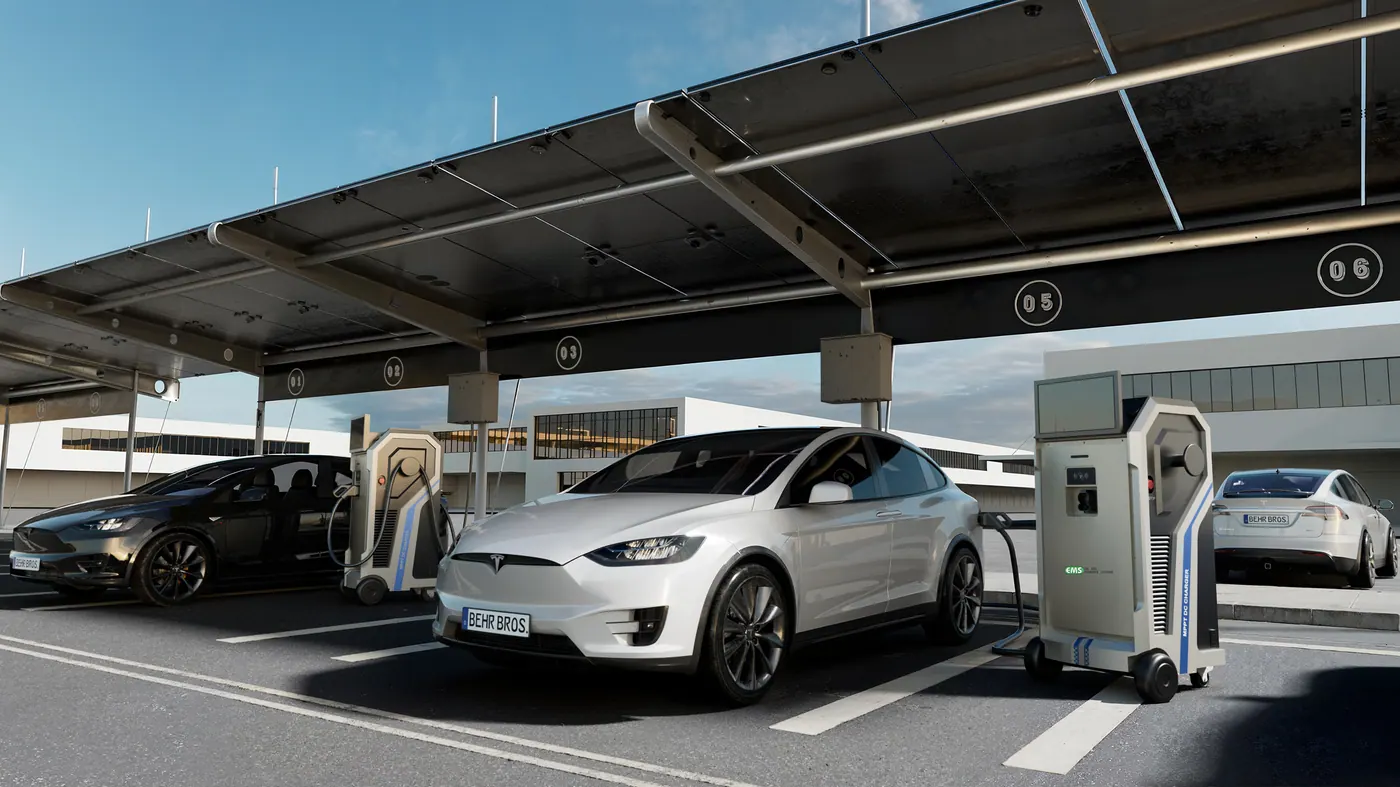

- 180 kWDC from a modest grid supply
- Weeksnot years, to first charge
- Compactcabinet footprint for tight sites
Overview
Drivers want rapid chargers. The grid can’t deliver them yet.
Most forecourts have a supply sized for pumps, lighting and a shop. Adding several 150 kW chargers usually triggers a network upgrade with a multi-year wait and a large bill.
An EMS cabinet charges its battery steadily from the existing supply, then delivers full-power charging when a car plugs in. The forecourt opens rapid charging now and adds capacity as demand grows.
-
01Multi-year waits for network reinforcement
Battery buffer delivers rapid charging on the existing supply
-
02High connection costs before revenue starts
Lower upfront cost; capacity added as utilisation grows
-
03Tight sites with little space for plant
Integrated storage and charger in one compact cabinet
-
04Uncertain utilisation in early years
Movable units can be relocated to busier sites
EMS Energy Intelligence
Storage that thinks ahead.
Smart energy management that learns how your fuel forecourts site uses power and plans every kilowatt ahead of the peak.
- Load forecasting
- Smart dispatch
- Predictive health
- Fleet-wide visibility
- Friday evening peak forecast 17:00–19:00. Buffer topped to 100% by 16:30.
- Grid draw capped at 65 kW while delivering 180 kW to two vehicles.
Applications
Where EMS works in fuel forecourts.
Unlocks ultra-fast EV charging on motorway and suburban forecourts without waiting years for distribution network transformer upgrades, using battery buffers to multiply available grid capacity.
-
01
Motorway services
High-power charging for long-distance drivers.
-
02
Retail forecourts
Add rapid charging alongside existing pumps and shop.
-
03
Solar-powered charging
iMChargerS charges EVs straight from solar panels where a canopy or carport allows.
-
04
Peak-time overflow
Movable chargers and robots cover busy bank holidays.
Recommended systems
Built for fuel forecourts.
The EMS systems our engineers most often specify for this sector. Typical configuration: 250 – 520 kWh Buffer · 180 kW DC.
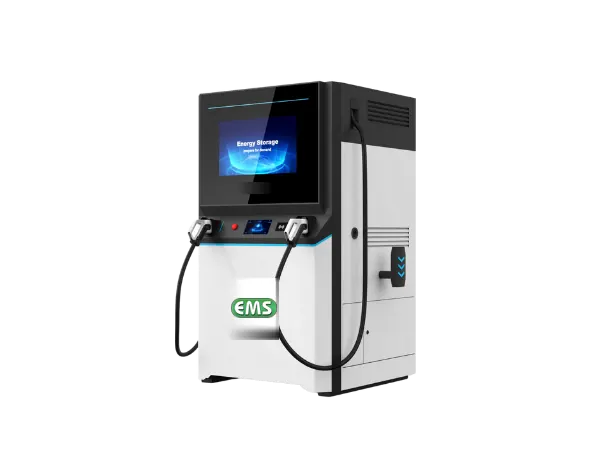
iCabinet
Integrated storage and charging cabinet
Battery
110 kWh
DC charging
180 kW or 2 × 90 kW
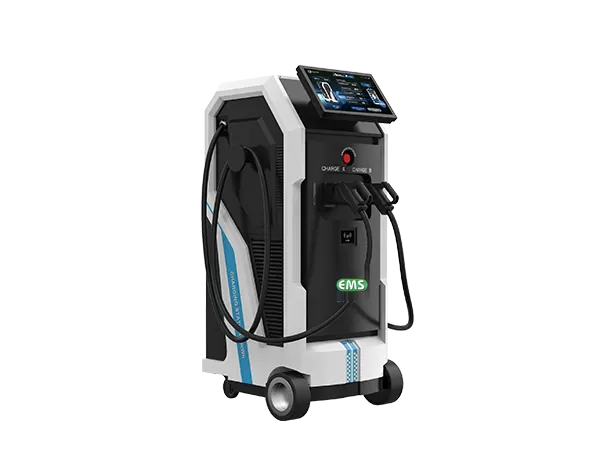
iMChargerX
Movable DC fast charger
DC output
60 kW or 2 × 30 kW
Screen
21-inch touchscreen
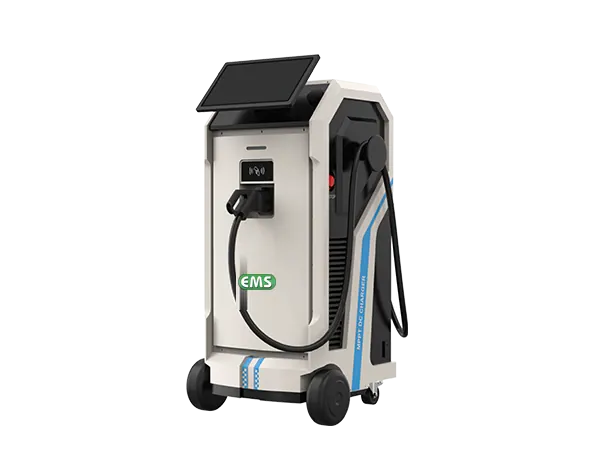
iMChargerS
Solar DC fast charger
Power source
Direct solar
Solar input
4 MPPT modules
Size your system
A first estimate, in seconds.
Move the sliders to match your site. We’ll suggest a starting storage size and system, using typical figures for fuel forecourts. An engineer then refines it with your real load data.
- Free, no-obligation load assessment
- Sizing modelled on your real demand profile
- Proposal with options and expected savings
Deployment
From first call to first power.
A clear, managed path with one UK team accountable from assessment to long-term support.
-
1
Week 1
Site & load assessment
We review your site, load profile and energy sources, remotely or on site.
-
2
Week 2–3
System design & sizing
Engineers model the load, size storage and choose the right EMS systems.
-
3
From 4 weeks
Delivery & commissioning
Units arrive pre-integrated, connected and commissioned by our team.
-
4
Ongoing
Monitor & optimise
Live monitoring, smart dispatch and 24/7 UK engineering support.
FAQ
Questions from fuel forecourts teams.
Can’t see your question? Our engineers answer within one working day.
How can a small supply deliver 180 kW charging?
The battery charges continuously at a lower rate from your existing supply, then releases stored energy at high power while a vehicle charges. Between sessions it recharges.
What happens if several cars arrive at once?
The system shares power between connectors and our software forecasts busy periods so the buffer is full beforehand. Additional cabinets can be added as demand grows.
Can it take payments?
Chargers support OCPP so they connect to your chosen back-office and payment platform, including contactless options.
Can the units be moved if a site underperforms?
Yes. Movable chargers can be relocated to busier sites without stranded civil works.
Keep exploring
Other industries.
- 01 ConstructionSite cabins, tower cranes & heavy machinery
- 02 MiningOpen-pit & underground operations, camps & plant
- 03 Fleet & TransportationCommercial fleets, transit bus depots & logistics
- 04 Airports & PortsApron GSE, quayside cranes & electric vessels
- 05 Commercial & IndustrialManufacturing, warehousing & logistics hubs
- 07 Data CentresHyperscale, colocation & edge facilities
- 08 TelecomsCell towers, tower companies & fibre exchanges
- 09 HealthcareHospitals, surgical clinics & emergency care
- 10 Remote & Off-GridExpedition camps, eco-resorts & isolated facilities
- 11 UtilityNetwork operators, IPPs & grid services
Start with the challenge
Tell us what the site
needs to do.
Share the location, the load and what is getting in the way. Our team will help you work out which system, and how many, the job needs.