
Industry 02 / 11 · Mining
Microgrid power built for the toughest ground.
Containerised battery storage keeps remote mines, processing plant and camps running and charges site vehicles, with diesel held in reserve instead of burning around the clock.
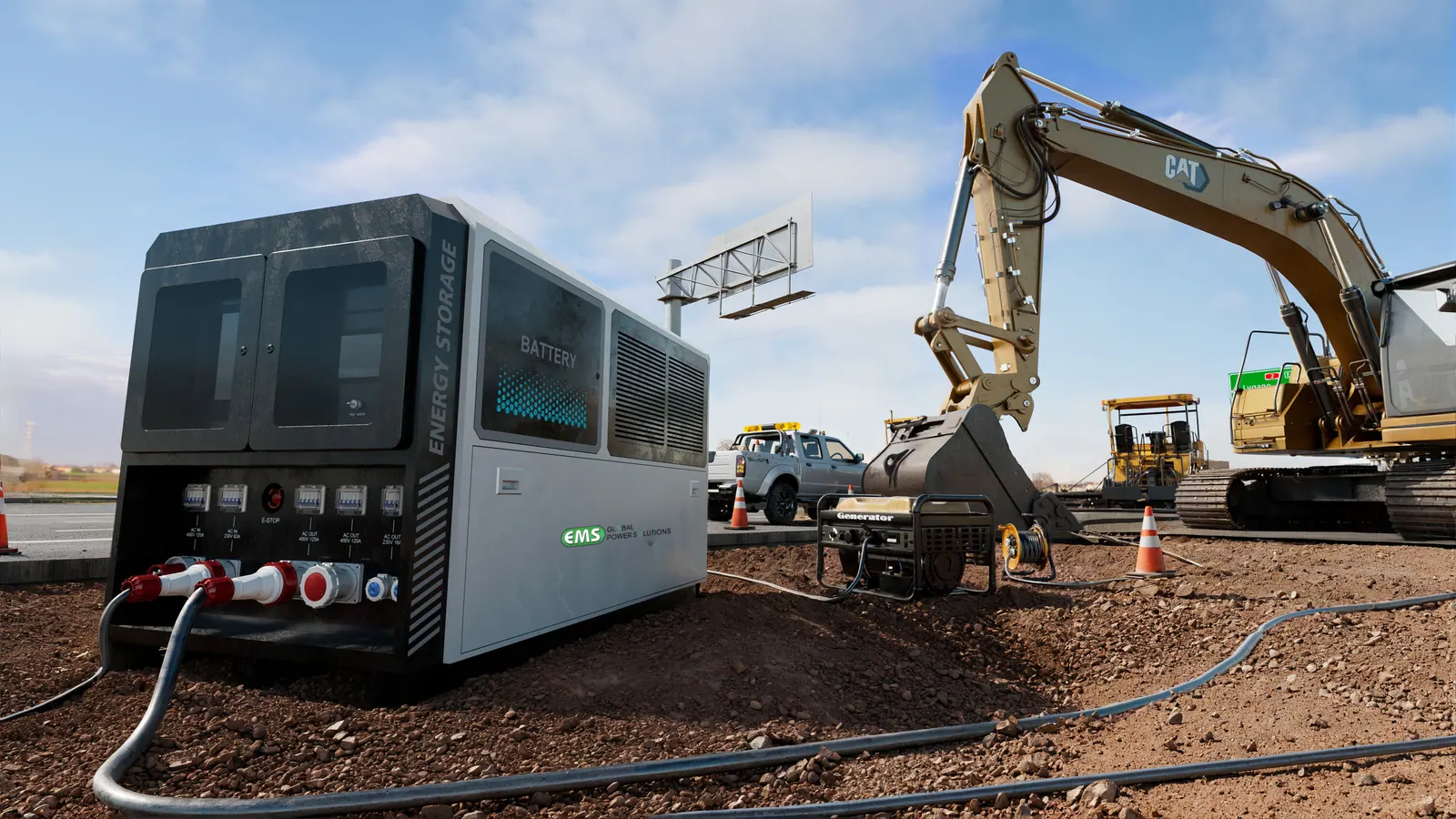
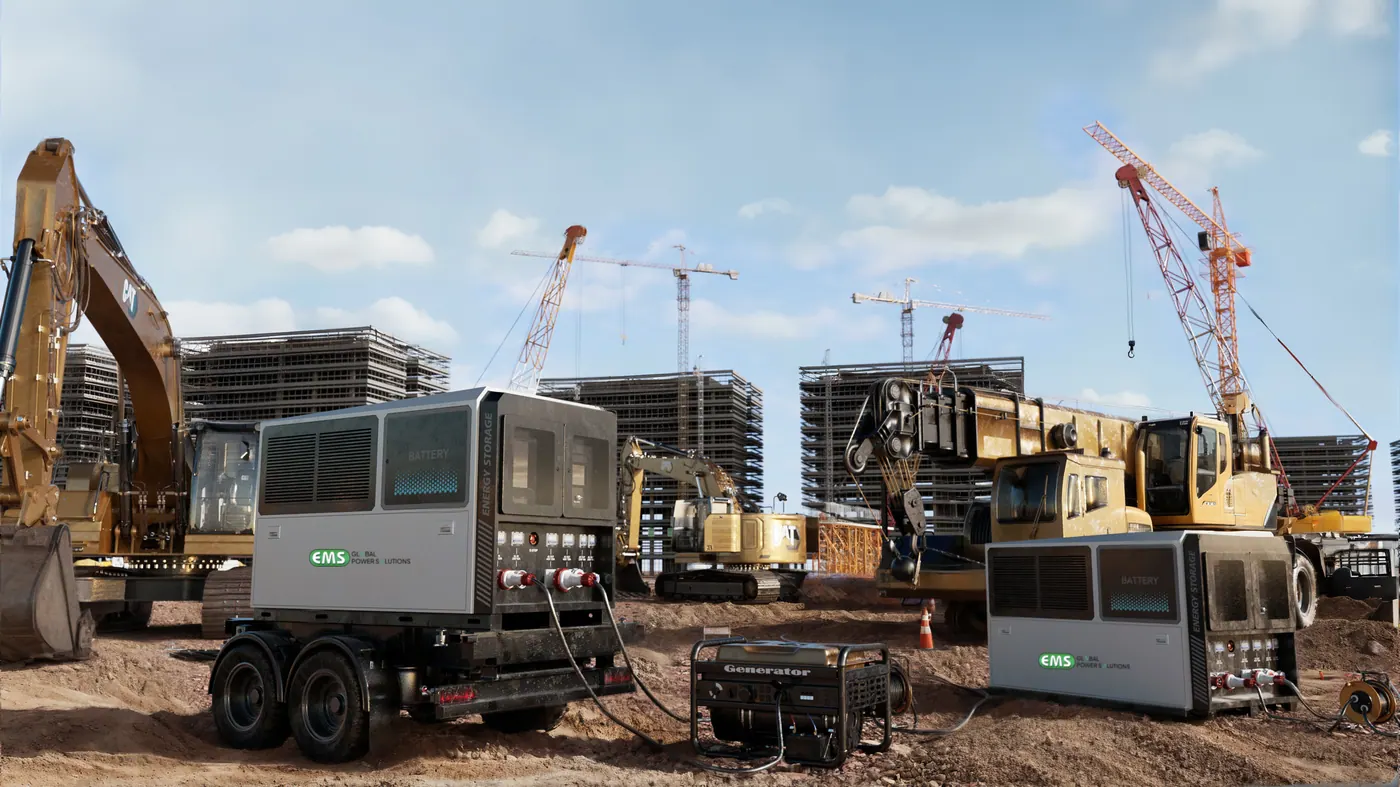
- 2 MWhin one transportable iMContainer
- -20 to +60°Coperating temperature range
- 6 × 200 kWDC charging guns per container
Overview
Every litre of diesel at a remote mine is paid for twice.
Once at the pump, and again in the haulage, storage and security needed to get it to site. Generators run continuously to cover loads that swing through every shift, and outages stop production.
EMS containerised storage turns the site into a hybrid microgrid. The battery carries the swings and the quiet hours, charging guns put power into site vehicles, and generators drop to a reserve role that only runs when the battery needs a top-up.
-
01Diesel haulage over long, unsafe supply routes
Battery storage cuts generator runtime and fuel deliveries
-
02Generators running 24/7 at poor part-load efficiency
Battery carries the swings; gensets run only to recharge at full load
-
03Dust, heat and vibration that shorten equipment life
IP67 enclosures and liquid thermal management from -20 to +60°C
-
04Power interruptions halting processing plant
Millisecond battery response keeps critical loads up during faults
EMS Energy Intelligence
Storage that thinks ahead.
Smart energy management that learns how your mining site uses power and plans every kilowatt ahead of the peak.
- Load forecasting
- Smart dispatch
- Predictive health
- Fleet-wide visibility
- Battery at 92% at 08:00. Generators held off until the afternoon recharge.
- Shift change at 18:00 adds 22% load. Battery reserve held at 40%.
Applications
Where EMS works in mining.
Provides containerised battery storage and high-power charging for plant, camps and site vehicles, keeping diesel strictly in reserve and cutting remote fuel burn across harsh terrain.
-
01
Processing plant
Stable, conditioned supply for crushers, conveyors and pumps.
-
02
Camps & accommodation
Quiet overnight power for lodging, kitchens and comms.
-
03
Electric haulage & LVs
Fast DC charging for light vehicles and electric haul trucks.
-
04
Generator support
Run generators at full efficiency only to recharge the battery, then shut them down.
Recommended systems
Built for mining.
The EMS systems our engineers most often specify for this sector. Typical configuration: 2 MWh iMContainer · 6 × 200 kW.
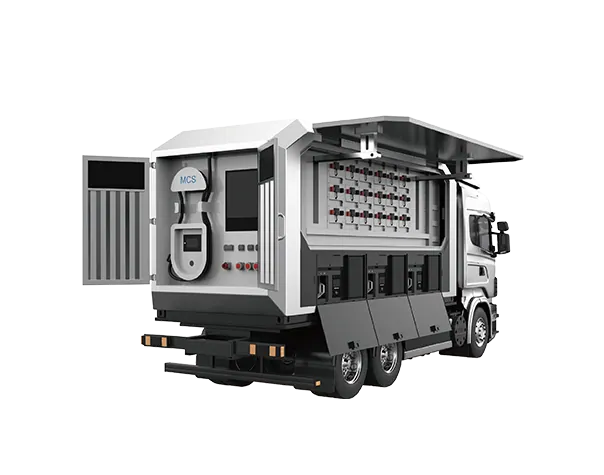
iMContainer
Containerised storage charging station
Capacity
2 MWh
DC charging
200 kW per gun
iContainer
Containerised utility-scale storage
Size
Built to order
Cells
LFP
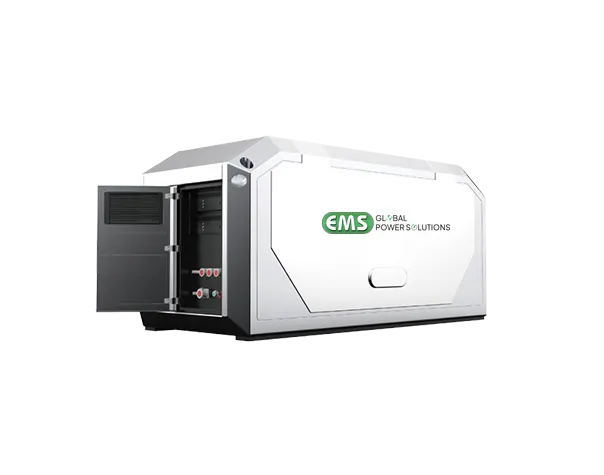
iCabinet
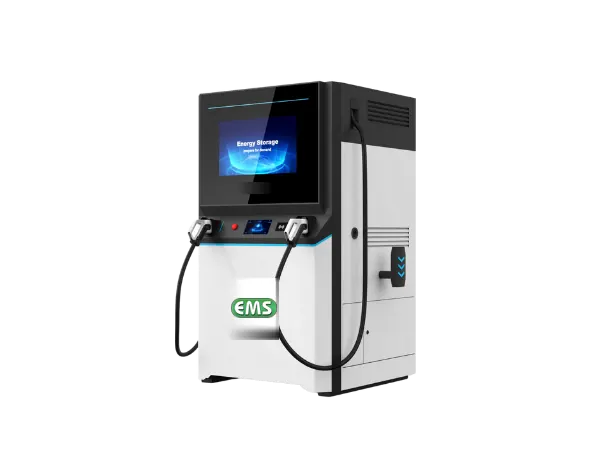
Integrated storage and charging cabinet
Battery
110 kWh
DC charging
180 kW or 2 × 90 kW
Size your system
A first estimate, in seconds.
Move the sliders to match your site. We’ll suggest a starting storage size and system, using typical figures for mining. An engineer then refines it with your real load data.
- Free, no-obligation load assessment
- Sizing modelled on your real demand profile
- Proposal with options and expected savings
Deployment
From first call to first power.
A clear, managed path with one UK team accountable from assessment to long-term support.
-
1
Week 1
Site & load assessment
We review your site, load profile and energy sources, remotely or on site.
-
2
Week 2–3
System design & sizing
Engineers model the load, size storage and choose the right EMS systems.
-
3
From 4 weeks
Delivery & commissioning
Units arrive pre-integrated, connected and commissioned by our team.
-
4
Ongoing
Monitor & optimise
Live monitoring, smart dispatch and 24/7 UK engineering support.
FAQ
Questions from mining teams.
Can’t see your question? Our engineers answer within one working day.
Can it run alongside our existing generators?
Yes. The system integrates with existing gensets and starts them automatically when the battery needs support, so they act as reserve rather than primary supply.
How does it cope with heat and dust?
Enclosures are sealed to IP67 with active thermal management, rated for operation from -20°C to +60°C ambient.
How large can a mining microgrid get?
Containers are modular. Projects start from a single unit and scale to multi-megawatt-hour arrays as site loads grow.
How is the system monitored remotely?
Every container reports performance, temperatures and alarms over 4G to our UK engineering team and your control room.
Keep exploring
Other industries.
- 01 ConstructionSite cabins, tower cranes & heavy machinery
- 03 Fleet & TransportationCommercial fleets, transit bus depots & logistics
- 04 Airports & PortsApron GSE, quayside cranes & electric vessels
- 05 Commercial & IndustrialManufacturing, warehousing & logistics hubs
- 06 Fuel ForecourtsMotorway services, retail fuel stations & EV hubs
- 07 Data CentresHyperscale, colocation & edge facilities
- 08 TelecomsCell towers, tower companies & fibre exchanges
- 09 HealthcareHospitals, surgical clinics & emergency care
- 10 Remote & Off-GridExpedition camps, eco-resorts & isolated facilities
- 11 UtilityNetwork operators, IPPs & grid services
Start with the challenge
Tell us what the site
needs to do.
Share the location, the load and what is getting in the way. Our team will help you work out which system, and how many, the job needs.