
Industry 04 / 11 · Airports & Ports
Power on the apron. Power at the berth.
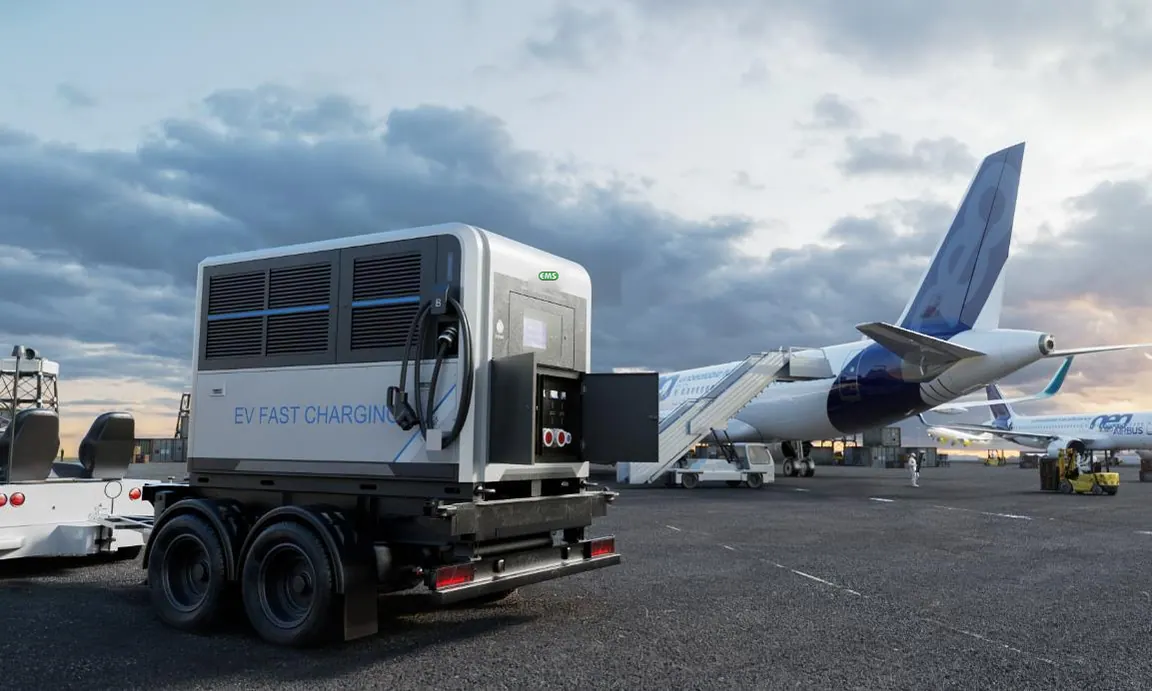
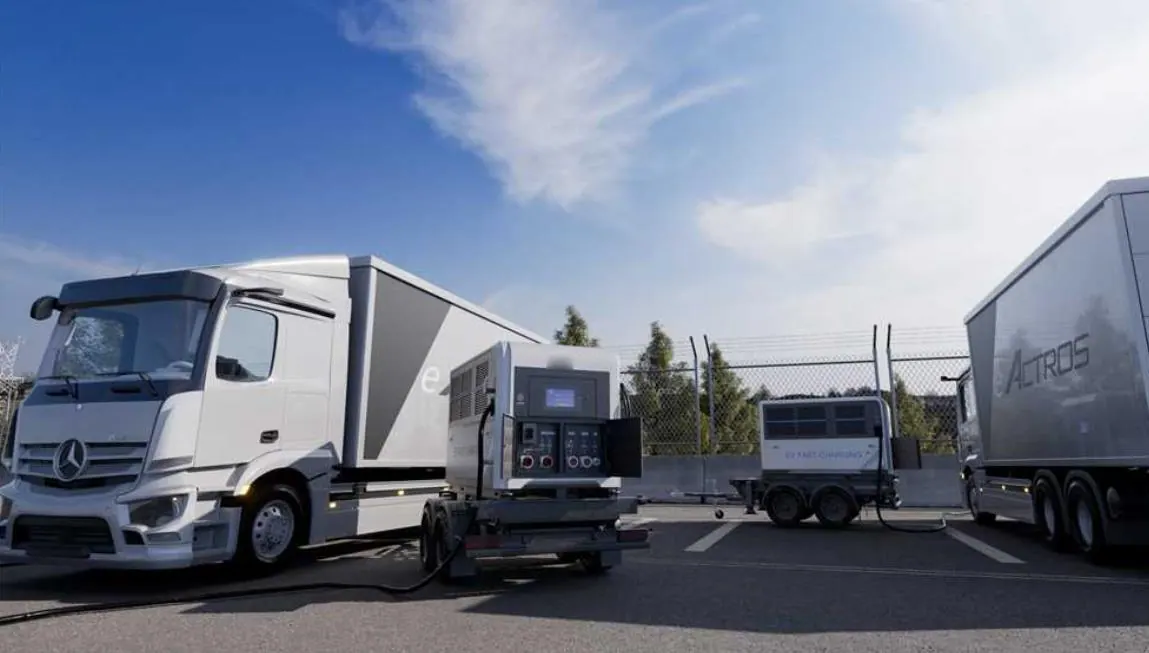
Mobile high-output energy for ground support equipment, quayside machinery and electric vessels, wherever fixed shore power or apron chargers don’t reach.
- 1 MWMCS-ready charging architecture
- Towedinto position in minutes
- No trenchingacross live aprons and berths
Overview
Airside and quayside, every cable trench is a closure.
Ground support equipment and port machinery are electrifying quickly, but digging up a live apron or berth for fixed chargers is costly and disruptive, and demand moves with stand allocation and vessel schedules.
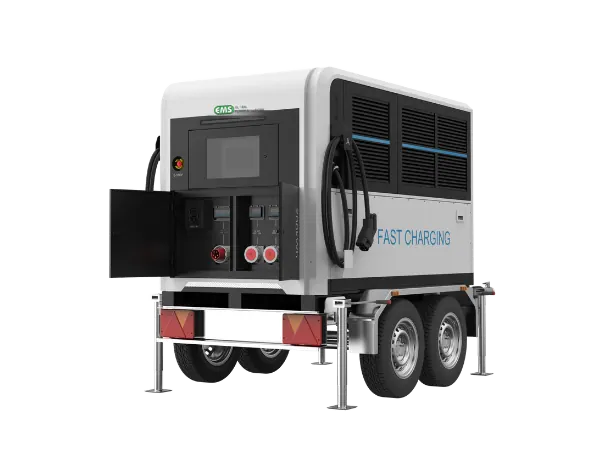
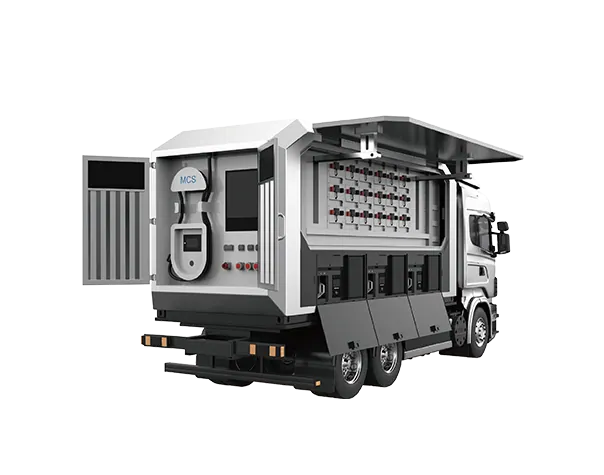
EMS mobile storage goes where the equipment is. Tow an iTrailer to the stand or position an iMContainer at the berth, charge from the terminal supply off-peak, and deliver high-power charging exactly where it is needed.
-
01Fixed chargers in the wrong place as stand use changes
Mobile units repositioned to follow the schedule
-
02Trenching across live aprons and berths
No civil works; units are towed or craned into position
-
03Diesel ground power units on stand
Zero-emission power for GSE and aircraft support
-
04Limited terminal capacity for new loads
Batteries charge off-peak and discharge at high power on demand
EMS Energy Intelligence
Storage that thinks ahead.
Smart energy management that learns how your airports & ports site uses power and plans every kilowatt ahead of the peak.
- Load forecasting
- Smart dispatch
- Predictive health
- Fleet-wide visibility
- Morning bank 06:00–08:00: 14 departures. Unit 2 dispatched to stands 31–34.
- Terminal supply peak avoided by discharging 380 kWh during the bank.
Applications
Where EMS works in airports & ports.
Delivers mobile high-output power to aircraft Ground Support Equipment (GSE), heavy harbour container cranes, and electric marine vessels wherever fixed shore power is unavailable.
-
01
Ground support equipment
Charge tugs, belt loaders and baggage tractors on stand.
-
02
Electric vessels & ferries
Quayside charging for harbour craft and e-ferries.
-
03
Cranes & straddle carriers
Buffer heavy port machinery peaks on the existing supply.
-
04
Terminal tractors & HGVs
High-power DC for yard tractors and electric trucks.
Recommended systems
Built for airports & ports.
The EMS systems our engineers most often specify for this sector. Typical configuration: 217 kWh – 1 MWh+ · Multi-Gun.
Size your system
A first estimate, in seconds.
Move the sliders to match your site. We’ll suggest a starting storage size and system, using typical figures for airports & ports. An engineer then refines it with your real load data.
- Free, no-obligation load assessment
- Sizing modelled on your real demand profile
- Proposal with options and expected savings
Deployment
From first call to first power.
A clear, managed path with one UK team accountable from assessment to long-term support.
-
1
Week 1
Site & load assessment
We review your site, load profile and energy sources, remotely or on site.
-
2
Week 2–3
System design & sizing
Engineers model the load, size storage and choose the right EMS systems.
-
3
From 4 weeks
Delivery & commissioning
Units arrive pre-integrated, connected and commissioned by our team.
-
4
Ongoing
Monitor & optimise
Live monitoring, smart dispatch and 24/7 UK engineering support.
FAQ
Questions from airports & ports teams.
Can’t see your question? Our engineers answer within one working day.
Can units operate airside?
Yes. iTrailer is designed to be towed into position and is regularly specified for apron use. We work with your airside operations team on positioning and towing procedures.
Can it charge electric vessels?
Containerised units provide high-power DC suitable for electric harbour craft and ferries, with multi-gun and MCS-ready configurations.
How is it recharged?
From the terminal or port supply during quieter periods, or from a fixed station. The battery then delivers high power during operational peaks.
Does it replace diesel ground power?
For many GSE charging and ground power tasks, yes, which removes local emissions and noise on stand.
Keep exploring
Other industries.
- 01 ConstructionSite cabins, tower cranes & heavy machinery
- 02 MiningOpen-pit & underground operations, camps & plant
- 03 Fleet & TransportationCommercial fleets, transit bus depots & logistics
- 05 Commercial & IndustrialManufacturing, warehousing & logistics hubs
- 06 Fuel ForecourtsMotorway services, retail fuel stations & EV hubs
- 07 Data CentresHyperscale, colocation & edge facilities
- 08 TelecomsCell towers, tower companies & fibre exchanges
- 09 HealthcareHospitals, surgical clinics & emergency care
- 10 Remote & Off-GridExpedition camps, eco-resorts & isolated facilities
- 11 UtilityNetwork operators, IPPs & grid services
Start with the challenge
Tell us what the site
needs to do.
Share the location, the load and what is getting in the way. Our team will help you work out which system, and how many, the job needs.